
CLOUD BEAD BAG


We are constantly evolving and working to master the challenges and limits of our mission in the best possible way. Here you can find out which topics push us to our limits and how we deal with them.
LIMIT: OCEAN PLASTIC
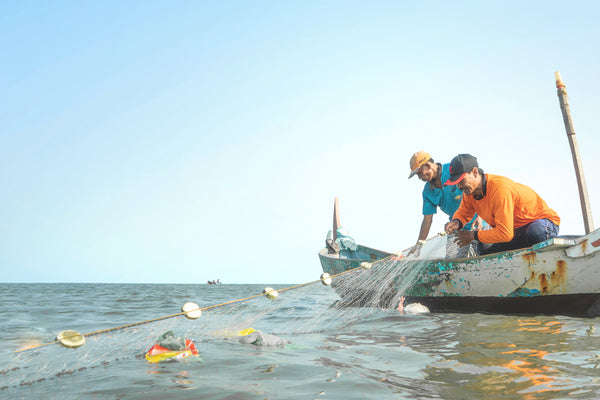
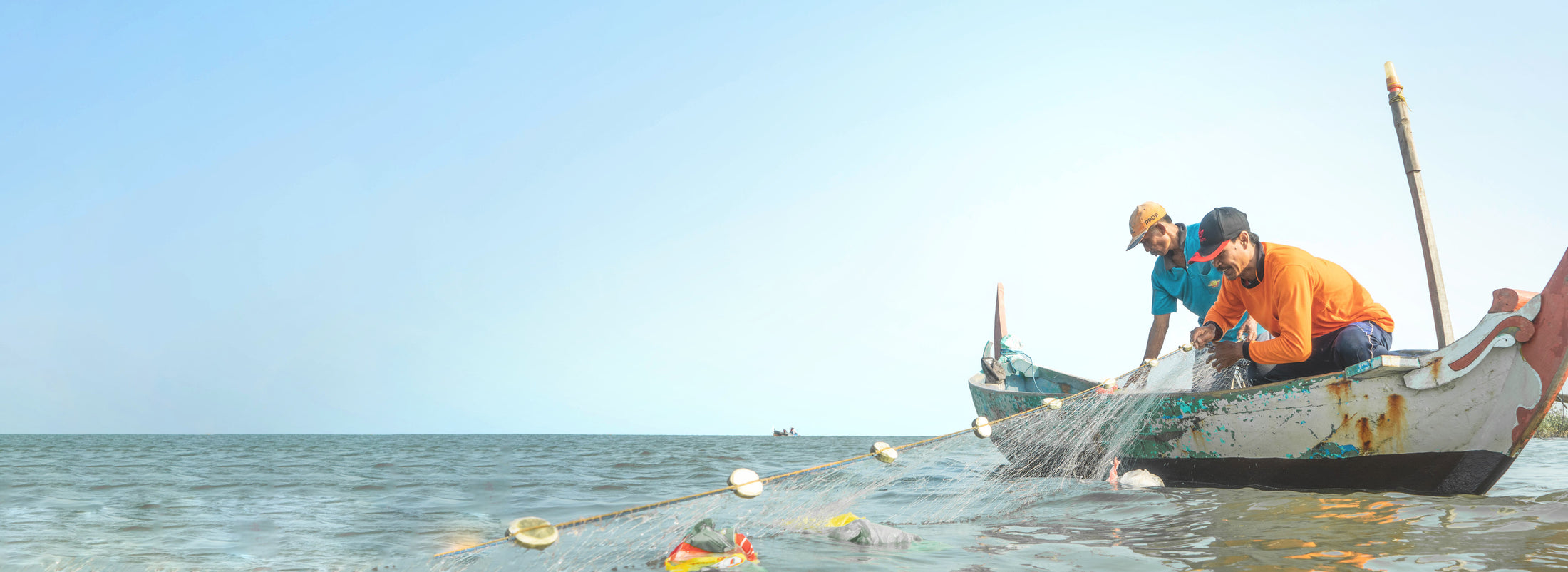
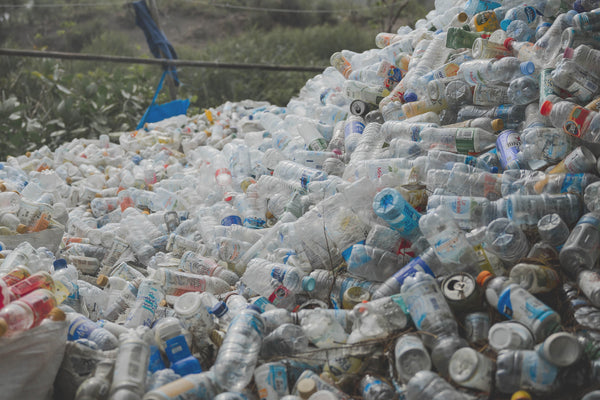
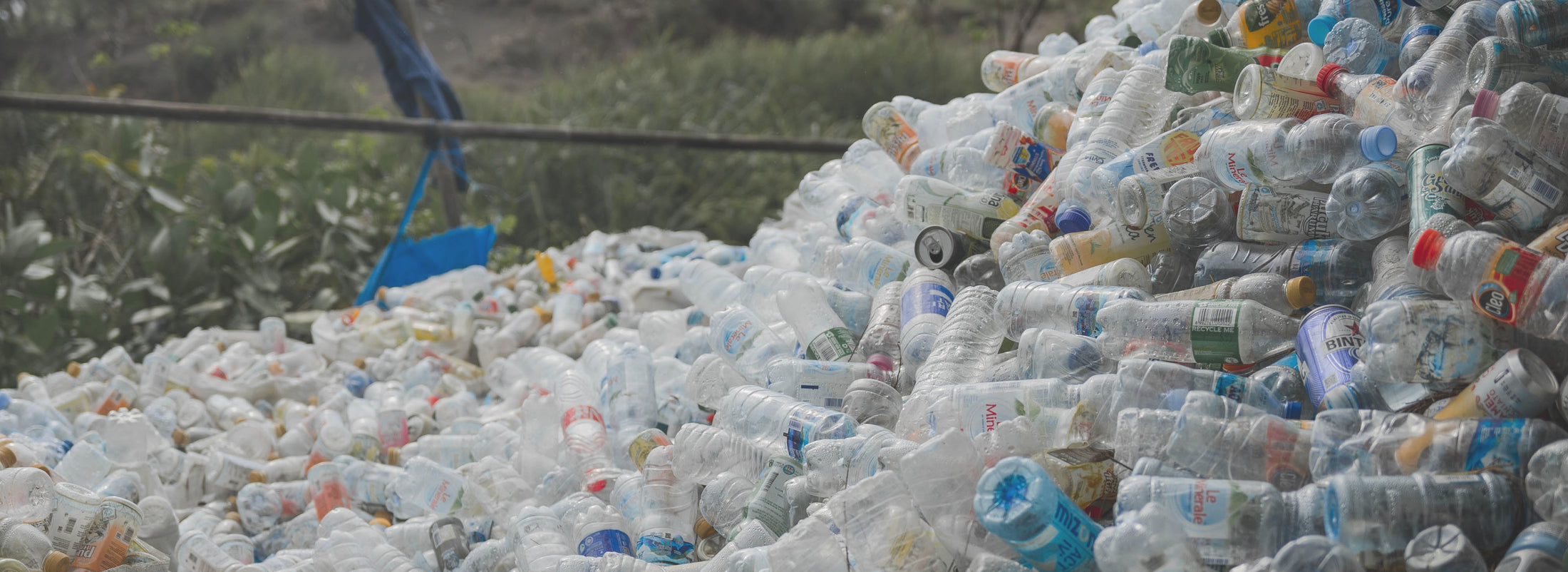
In 2018, we launched a "Fishing-for-Litter" project in Indonesia, where fishermen collected plastic waste as bycatch directly from the sea. Over time, the clean-up program has evolved. Collecting plastic directly from the sea is becoming increasingly costly and inefficient. The majority of efforts now focus on collecting plastic waste from coastal areas on land, including beaches, rivers, mangroves, and villages. This approach is significantly more effective, as it helps prevent a large portion of plastic waste from ever entering the ocean. Plastic that is already in the ocean is difficult to remove completely, as it is dispersed by wind and waves, breaks down into smaller pieces, and sinks to the seabed. Therefore, today only a small portion of the collected plastic waste is retrieved from the sea as bycatch through the network of fishermen of our partner foundation GOT BAG Indonesia.
By focusing collection on coastal areas and river deltas, the program effectively helps reduce plastic pollution at its source and thus decrease the amount of plastic in the ocean. In 2023, approximately 12% of the plastic collected by GOT BAG Indonesia came directly from the sea and waterways.
LIMIT: SCALING
We are continuously improving our clean-up operations. However, the amounts of plastic collected do not meet the needs of our material production. The amount of PET collected in the clean-up program varies significantly due to seasonality and market demand. When the market price for PET is high, fewer bottles end up in the environment because they are collected earlier.
To ensure a steady supply of rPET for yarn spinning and fabric production, we rely on both the clean-up program and the local collection network of our Ocean Bound Plastic certified recycling partner in Surabaya, Java. Over the past year, we have observed that PET collectors are increasing in the clean-up region and throughout Indonesia. We see this as a positive development, as some types of plastic have become valuable and offer an economic opportunity for people, with the benefit that less waste remains in the environment.
We expect the volumes and share from other collection networks to continue to grow as less PET is available and competition for it is not aligned with our mission. Nevertheless, we remain committed to expanding our clean-up operations in Indonesia. We believe that for long-term influence, it is crucial to give plastic waste an economic value, even if we cannot use all of it in our production.
LIMIT: RECYCLING ALL TYPES OF PLASTIC
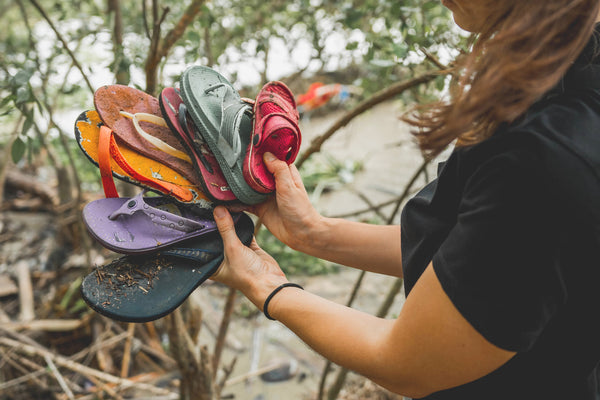
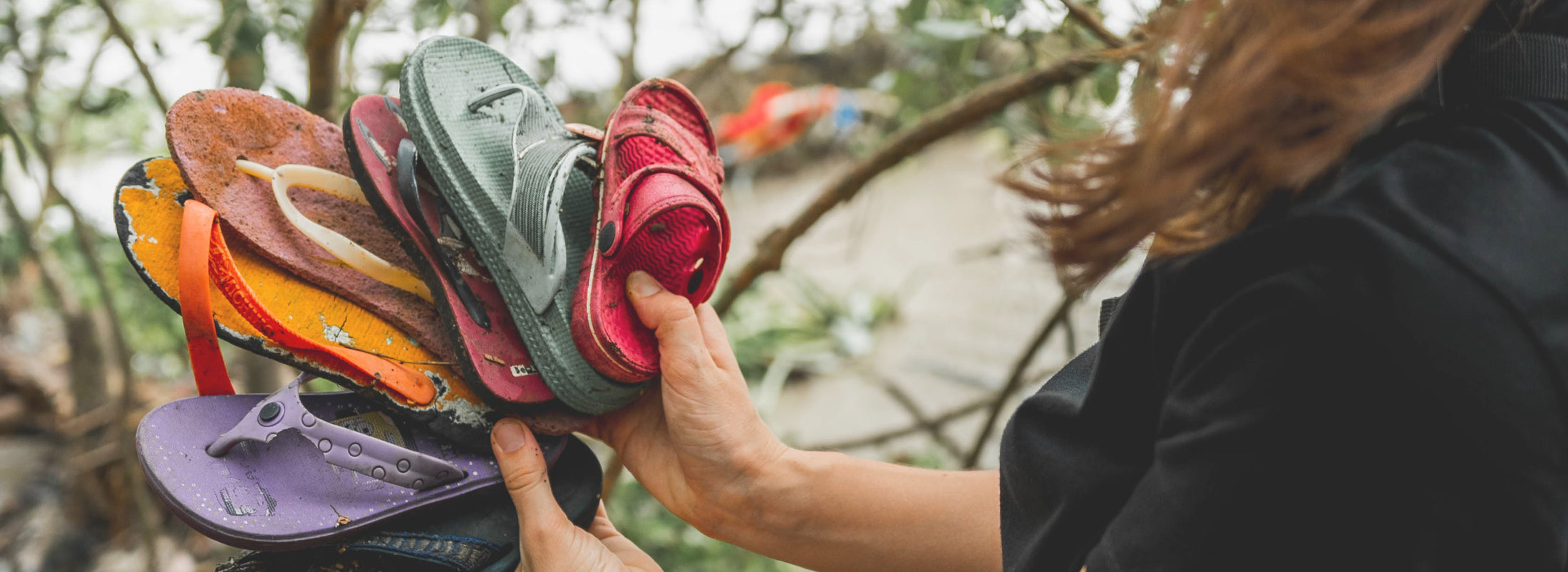
In the clean-up program, communities collect every type of plastic they can find, regardless of shape, size, or condition, as any plastic waste can harm nature. However, plastic waste comes in many colors and chemical structures. For our fabric made from recycled plastic waste from coastal areas, we can currently only use PET bottles, which accounted for 12% of the waste collected in 2023. The majority of the collected plastic, however, consists of low-quality plastic, such as multi-layer or composite plastics, or heavily degraded or unidentifiable waste.
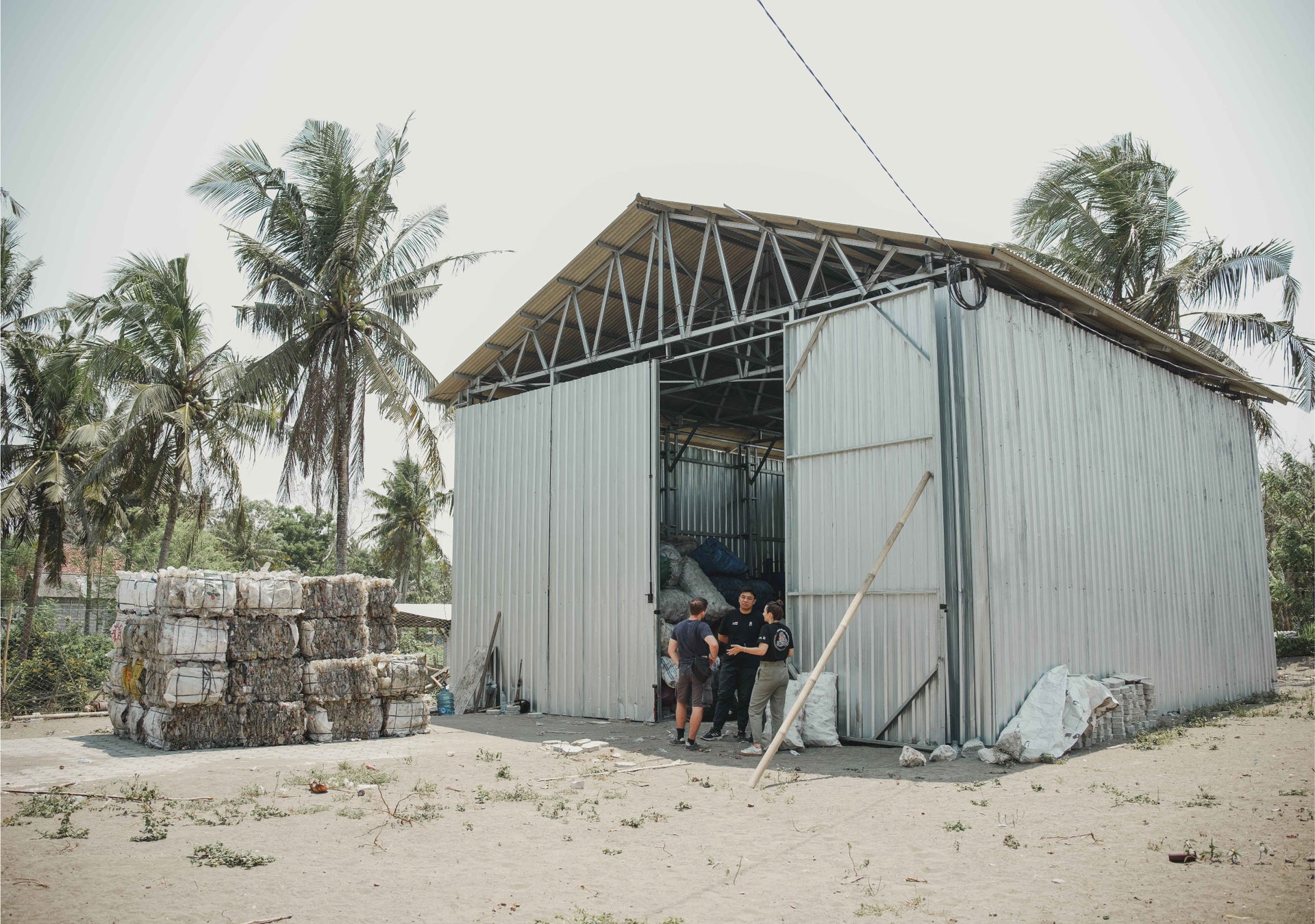
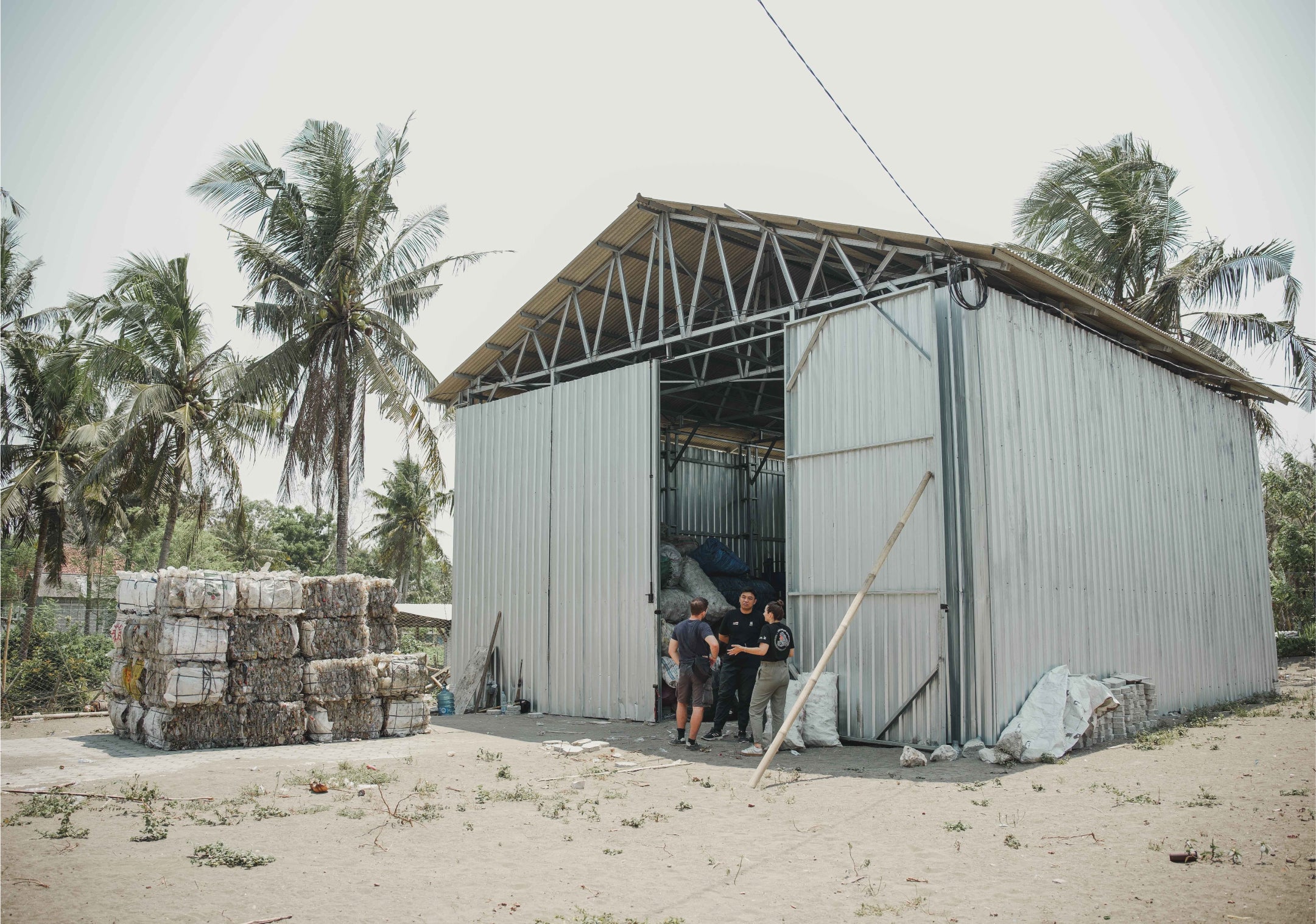
Currently, GOT BAG Indonesia sends non-recyclable plastics to cement plants, where they replace fossil fuels in energy production. Other recyclable plastics that are not suitable for our bag production are either sent to recycling partners or kept in our warehouse until suitable recycling solutions are found. Due to limited recycling technologies and local partners, it takes time to find the best solution for as many types of plastic as possible. We strictly avoid disposal in landfills, as these are often poorly managed in Indonesia and prone to leakage. Consequently, a significant portion of the collected plastic goes into thermal recovery, as not many types can currently be integrated into our products.
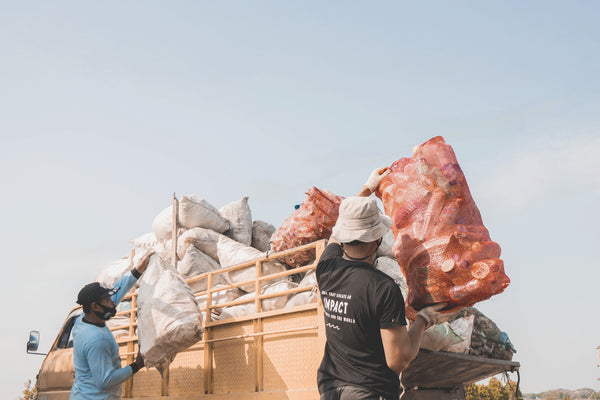
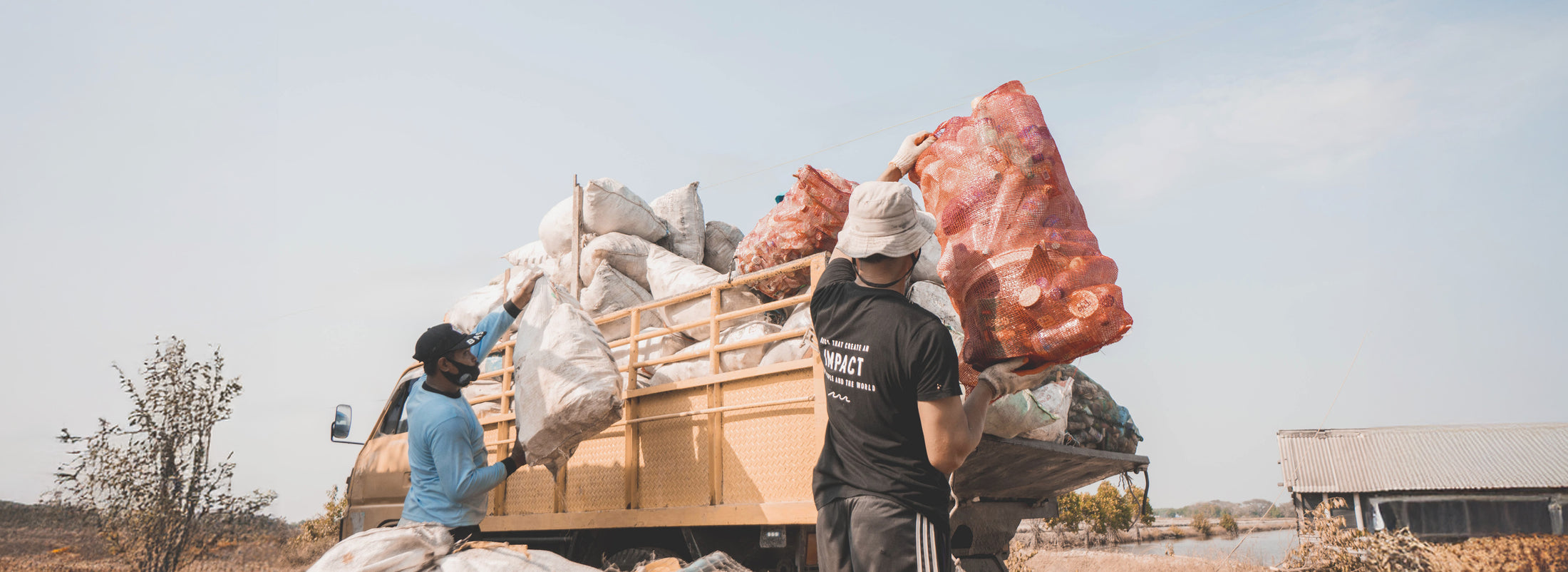
LIMIT: USE OF THE COLLECTED PLASTIC FROM THE CLEAN-UP PROGRAM FOR PRODUCT MANUFACTURING
The clean-up program's communities in Indonesia collect all types of plastic materials. However, not all types of plastic are suitable for recycling into yarn or components. Additionally, only some of the plastics required for our products can be collected through the clean-up program. For example, the material for our hard-shell suitcases and sunglasses – recycled polycarbonate – comes from our recycling partner on the island of Java, as polycarbonate water containers are rarely found in the vicinity of the clean-up program's collection activities.
Furthermore, products such as backpacks and bags consist of many components beyond the main material, which we cannot manufacture ourselves but source from supply partners. Whenever possible and available, we choose recycled components from the market.
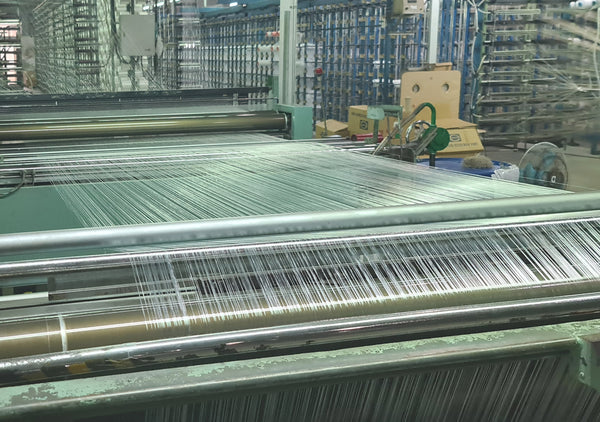
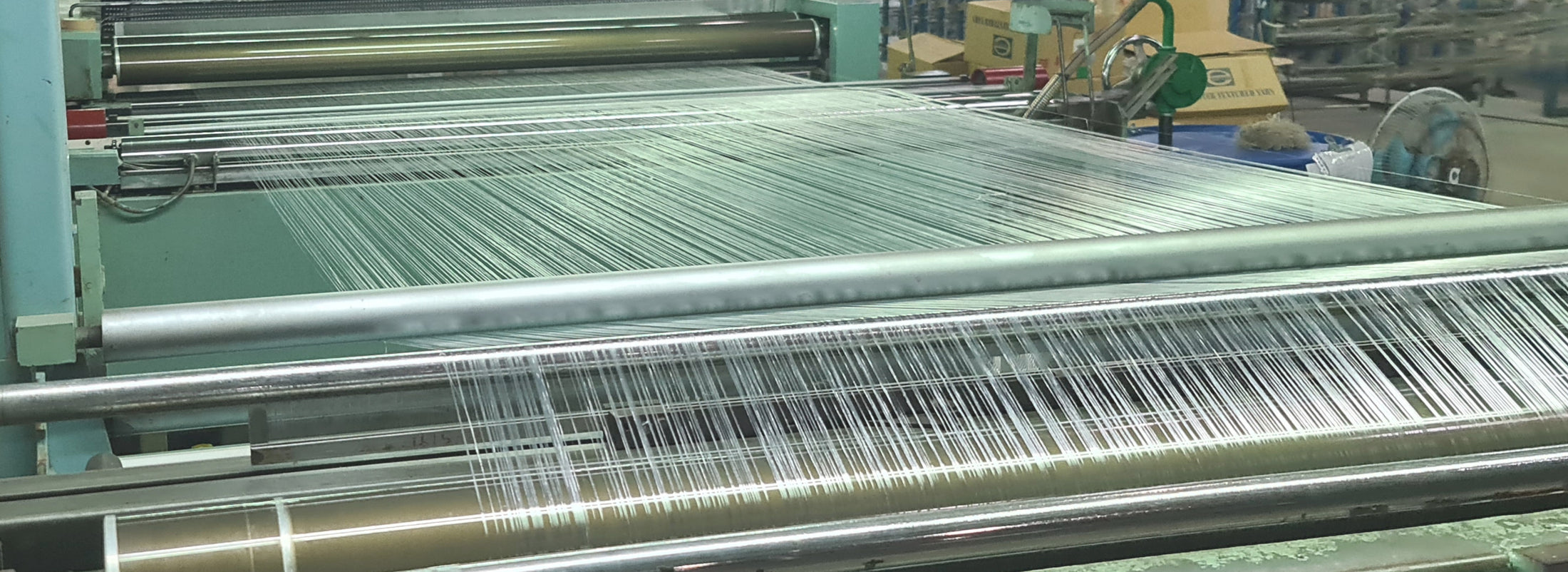
LIMIT: PET YARN RECYCLING
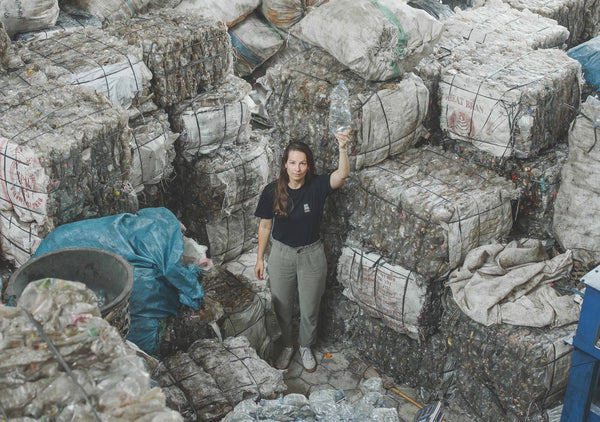
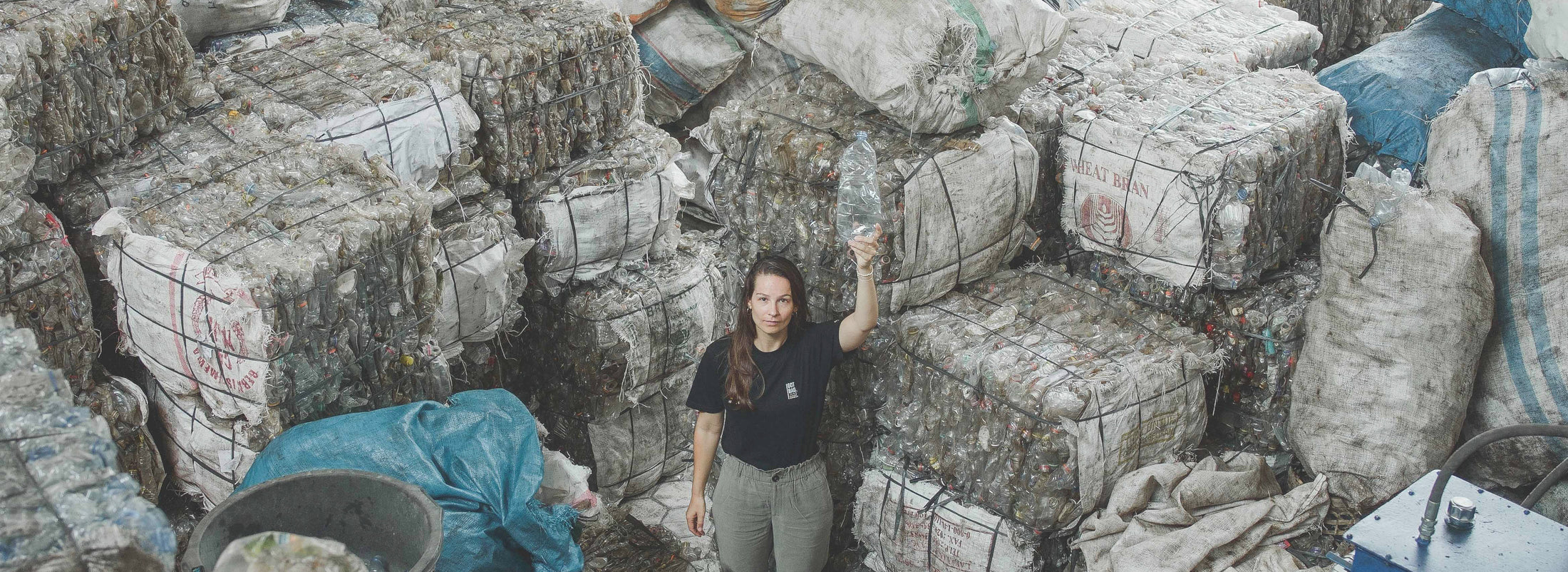
Not all PET collected by GOT BAG Indonesia is suitable for yarn production. In order to spin high-quality yarn from recycled PET, it is necessary to have a well-sorted, homogeneous batch of high-quality PET. Bottles that have been degraded too much by the sun and salt water or are contaminated with oil cannot be recycled into yarn. We are researching alternative uses for this material, such as downcycling it into roof tiles.
In addition, certain colors are sorted out because we cannot dye dark PET into lighter colors. Such materials are sold to recyclers who manufacture other products.
LIMIT: SHARE OF RECYCLED COMPONENTS
From the very beginning, we have strived to manufacture our products from recycled plastic waste from coastal areas. So far, we recycle PET. However, many components like buckles, straps, zippers, mesh and foams cannot be made from PET. Therefore, we use other recycled components from suppliers on the market for these items.
Whenever possible, we source and choose recycled materials for our products. We use most components from recycled materials, with the majority consisting of recycled post-consumer material. However, we have not yet solved the challenge of sourcing foams (PE and PU) and zipper sliders from recycled materials.
You can find an overview of all certificates and awards here.


