loading...
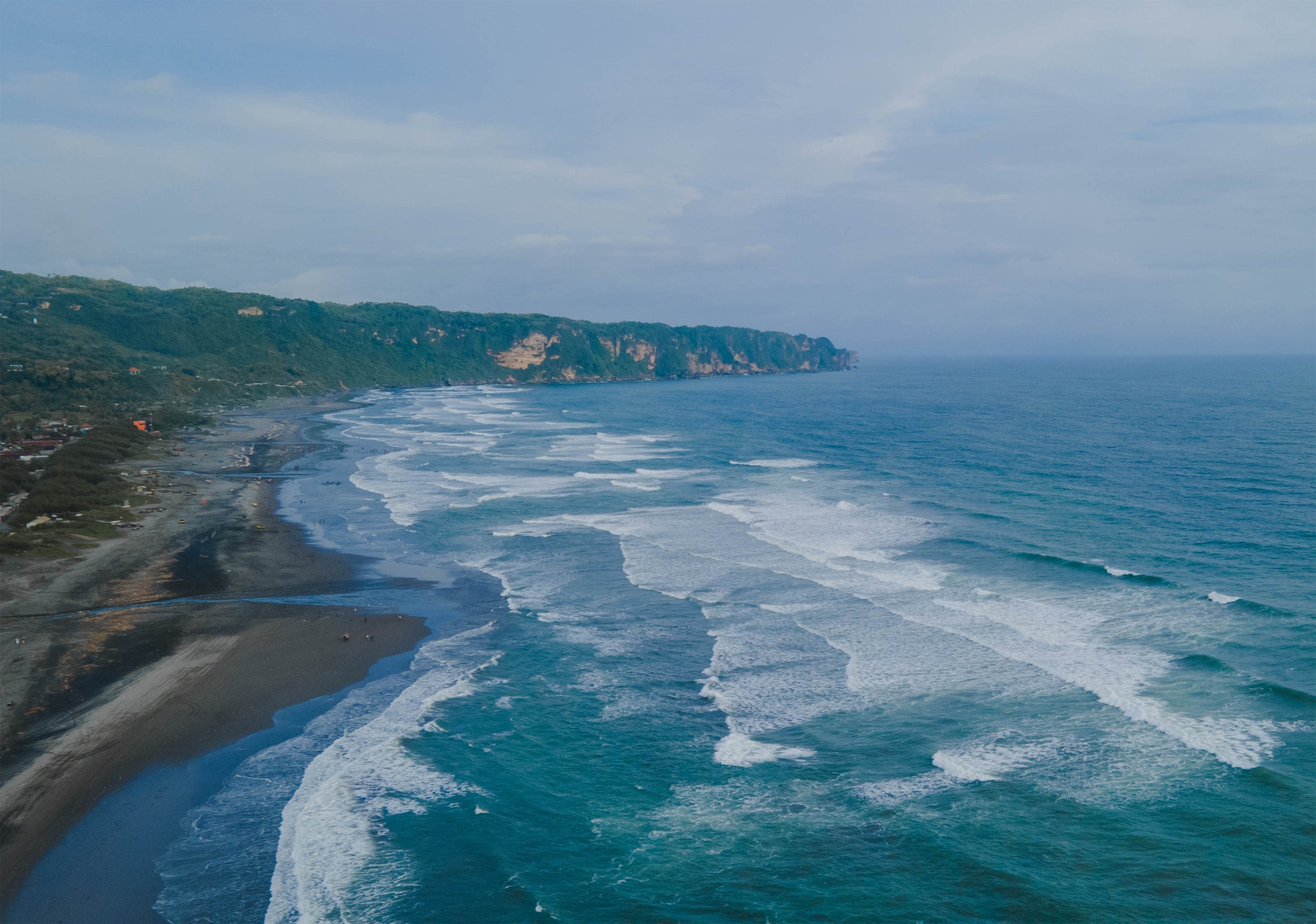
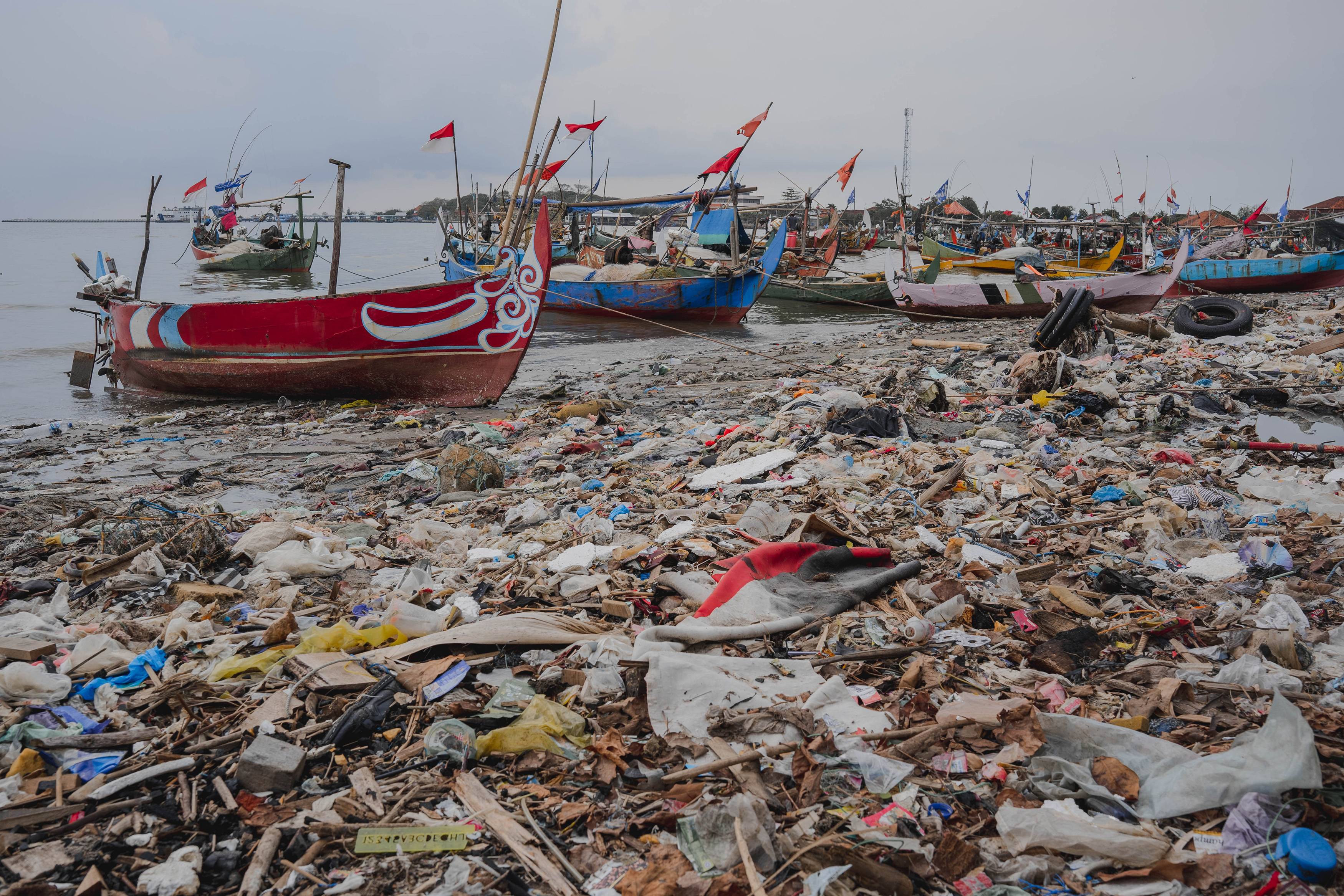
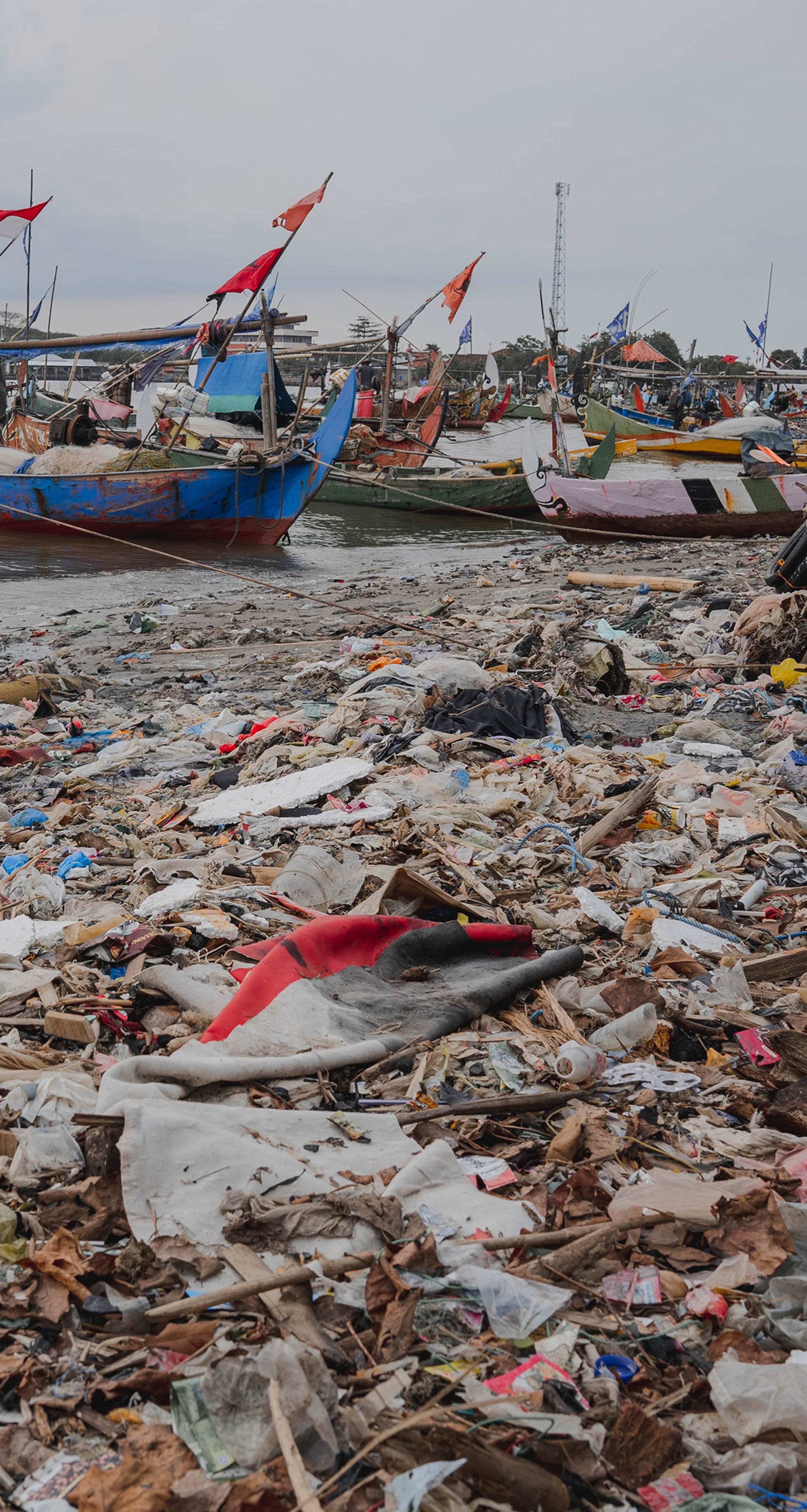
Polluted beach with colorful fishing boats and piles of trash under a cloudy sky. Polluted beach section with trash and fishing boats in murky water under cloudy sky.

C L E A N - U P

The sad truth

Every minute, a truckload of plastic enters our oceans.1

Only 9% of global plastic waste is recycled.2

Did you know that...

...there will be more plastic than fish in the oceans by 2050?¹

Our oceans have become a dumping ground for plastic waste

Plastic pollution in our oceans results from inadequate waste management and excessive plastic production. Most of the plastic waste in the oceans originates on land, transported by rivers, wind, and floods. The shipping and fishing industries also contribute through lost cargo and equipment.

Illegal waste exports to countries with poor waste management systems exacerbate the problem. Persistent plastics remain in the ocean for centuries, forming large garbage patches and harming marine life and ecosystems. Learn more in this article The pollution of our oceans: how did it come to this?

Illegal waste exports to countries with poor waste management systems exacerbate the problem. Persistent plastics remain in the ocean for centuries, forming large garbage patches and harming marine life and ecosystems. Learn more in this article The pollution of our oceans: how did it come to this?

GOT BAG

INDONESIA

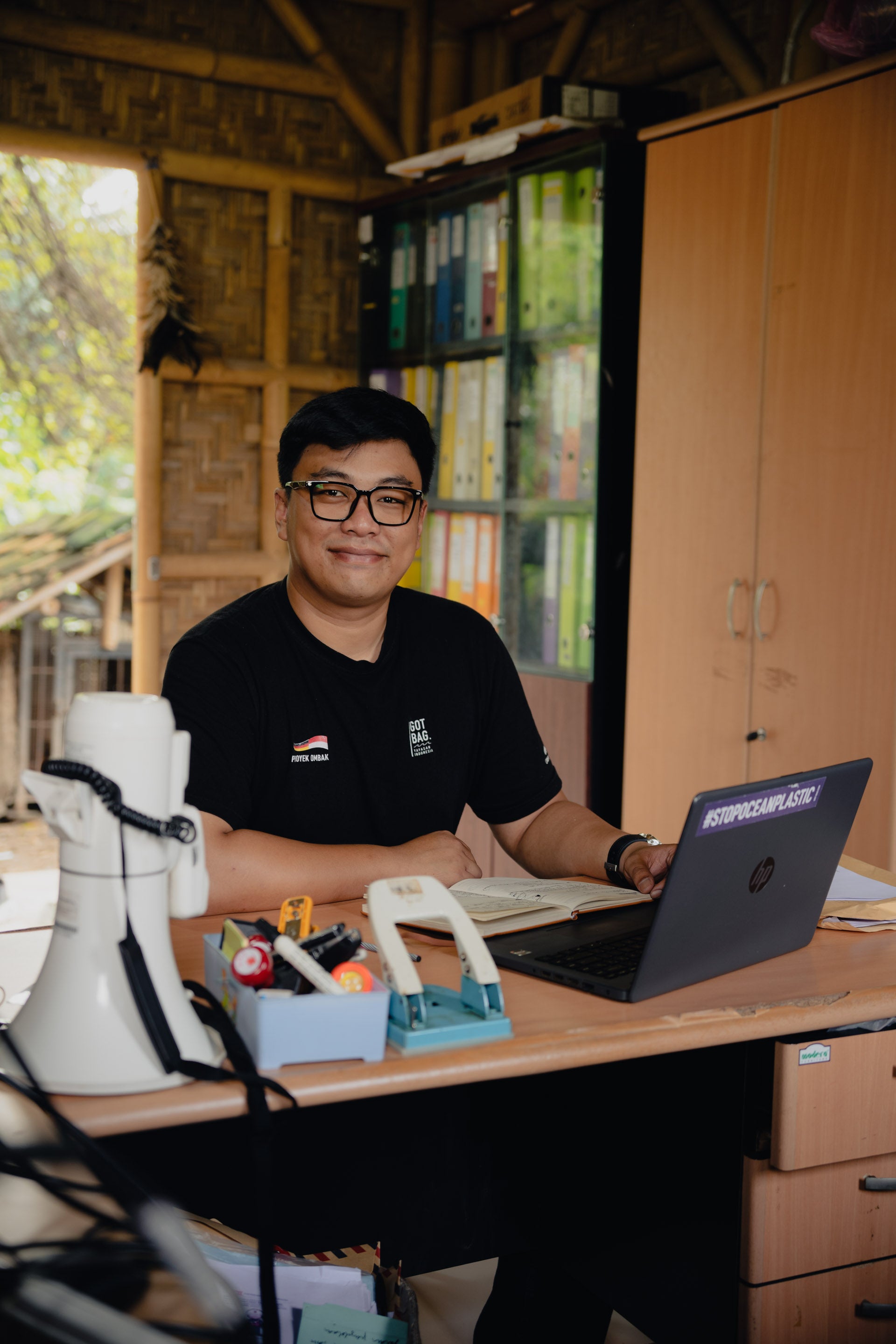
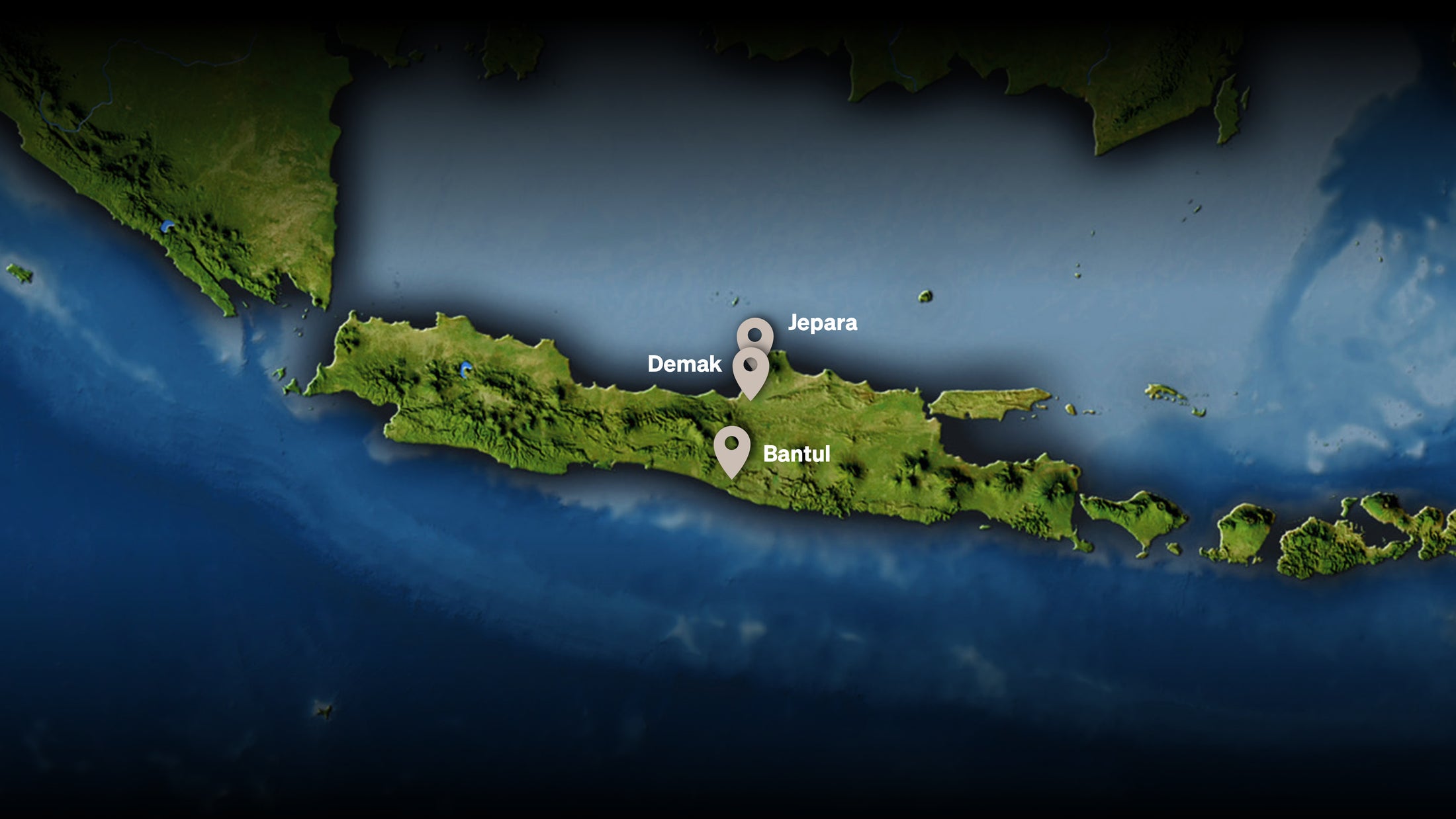
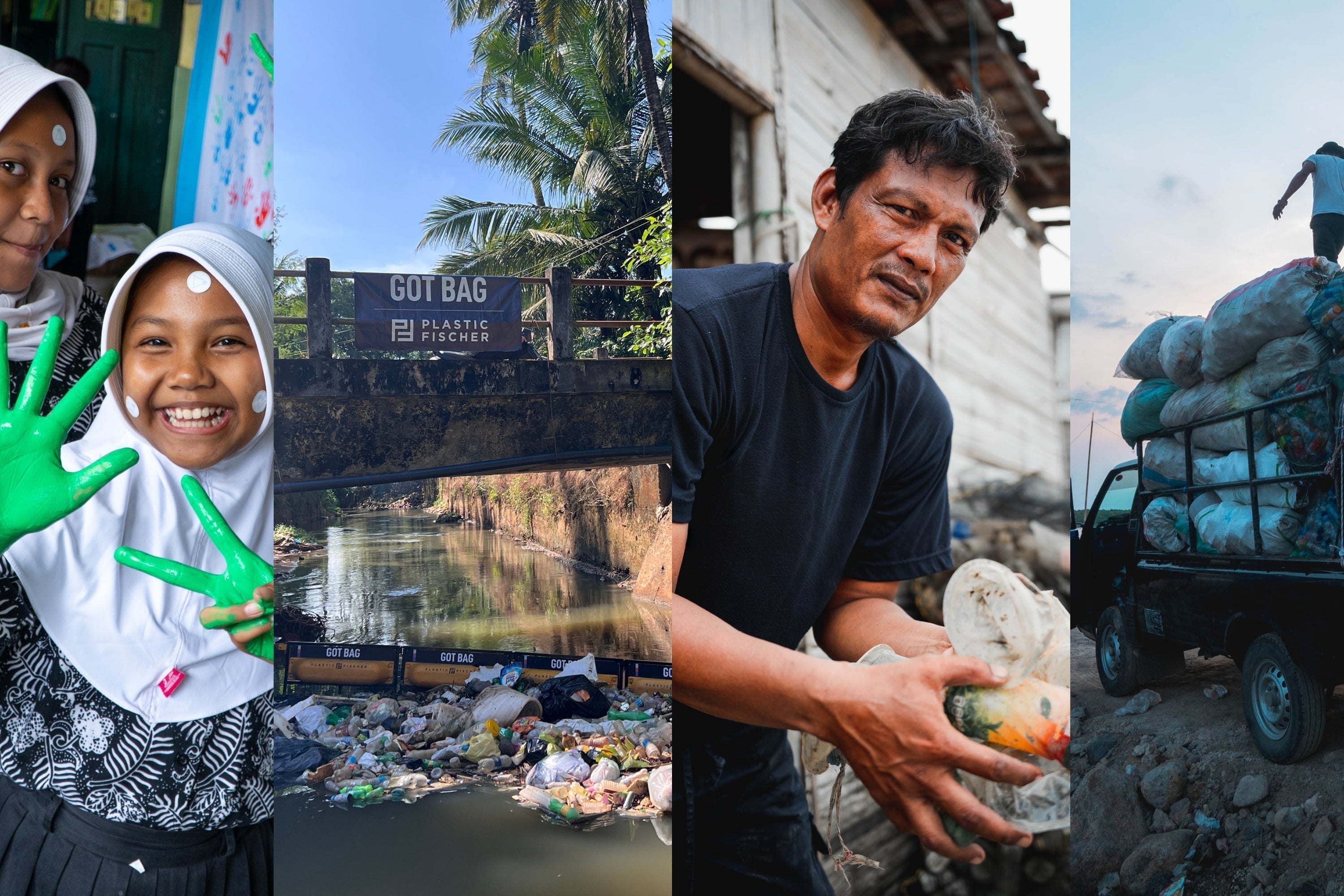
Our partner foundation GOT BAG Indonesia is committed to fighting ocean plastic pollution with a clean-up program along the north and south coasts of Java.

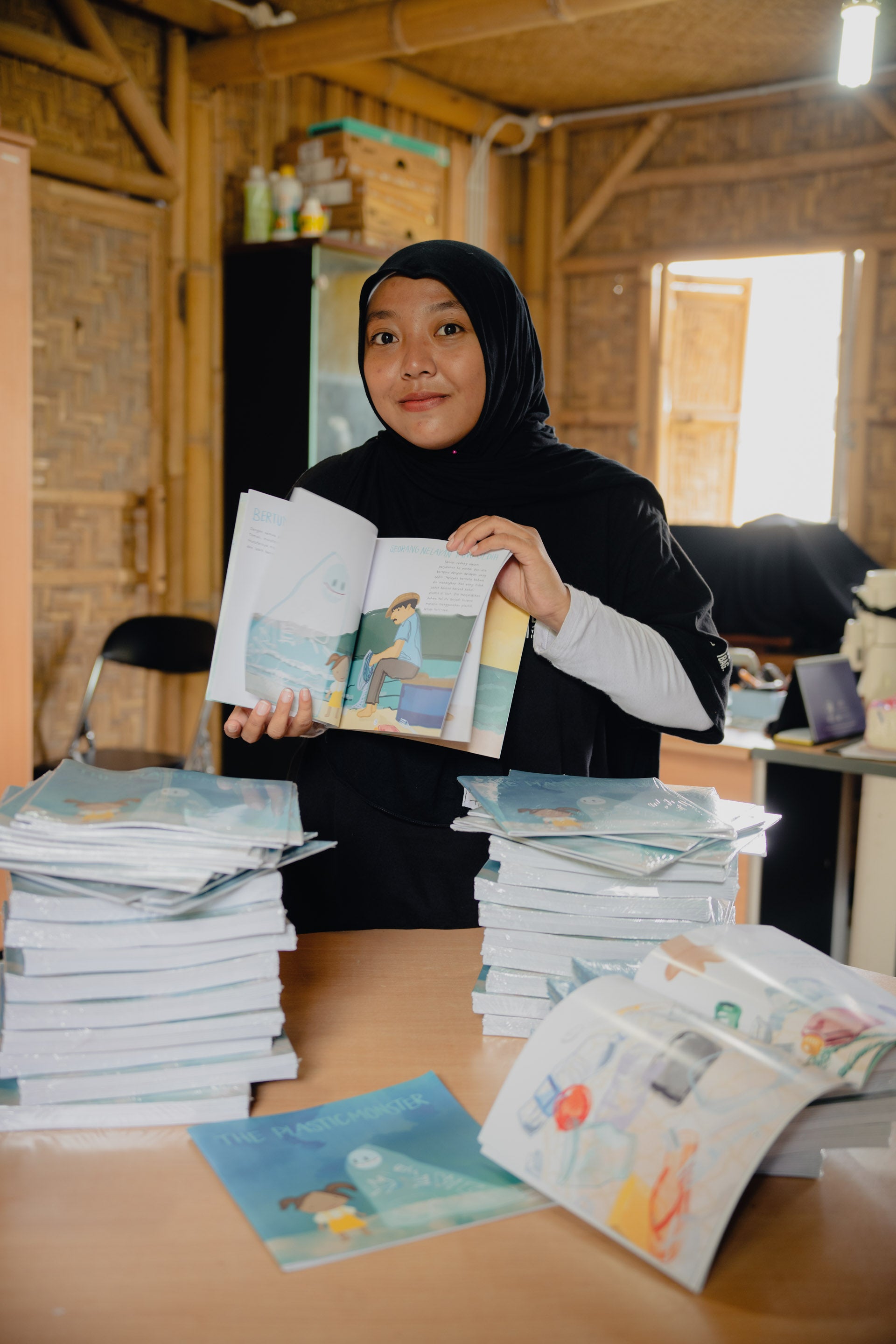
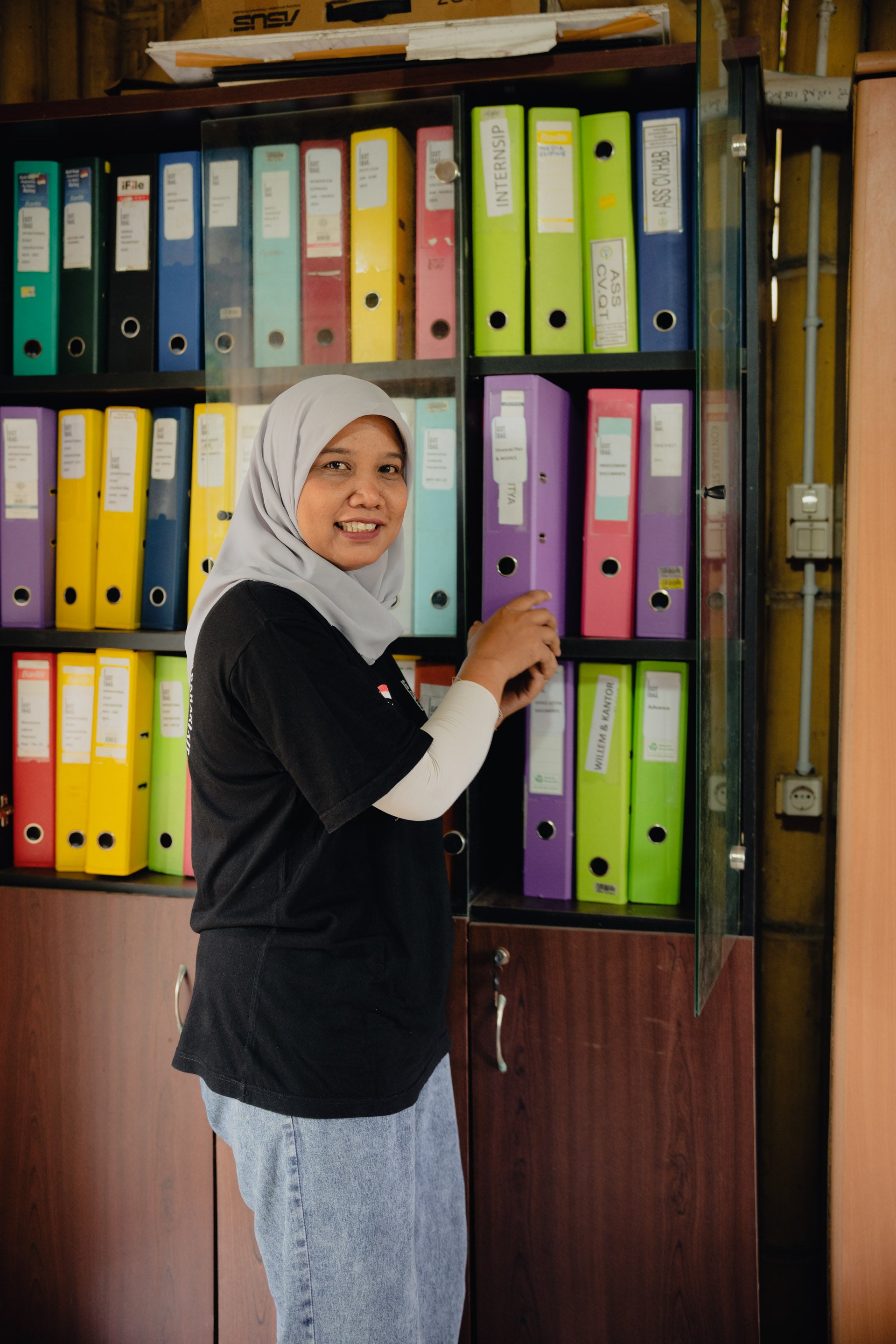
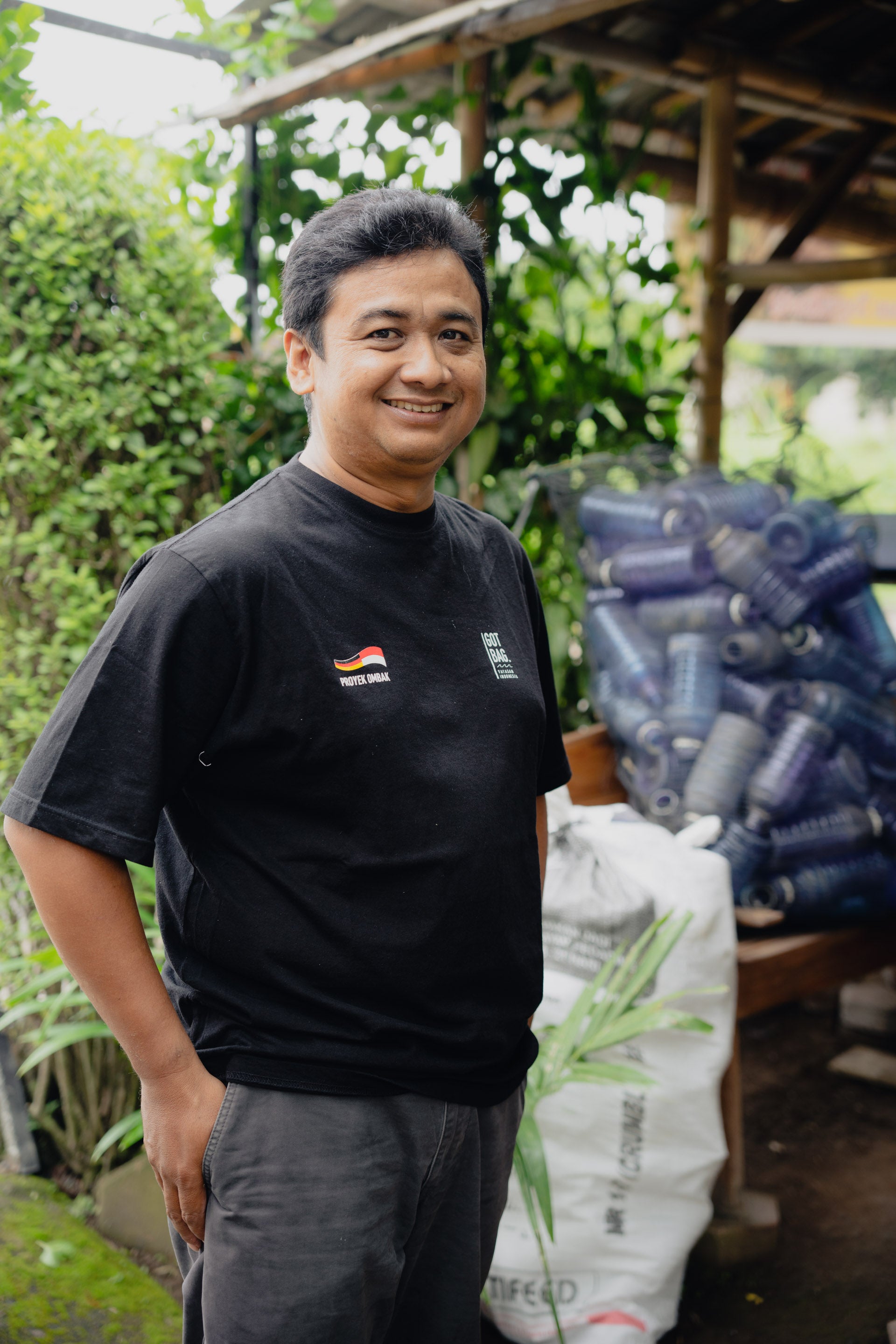
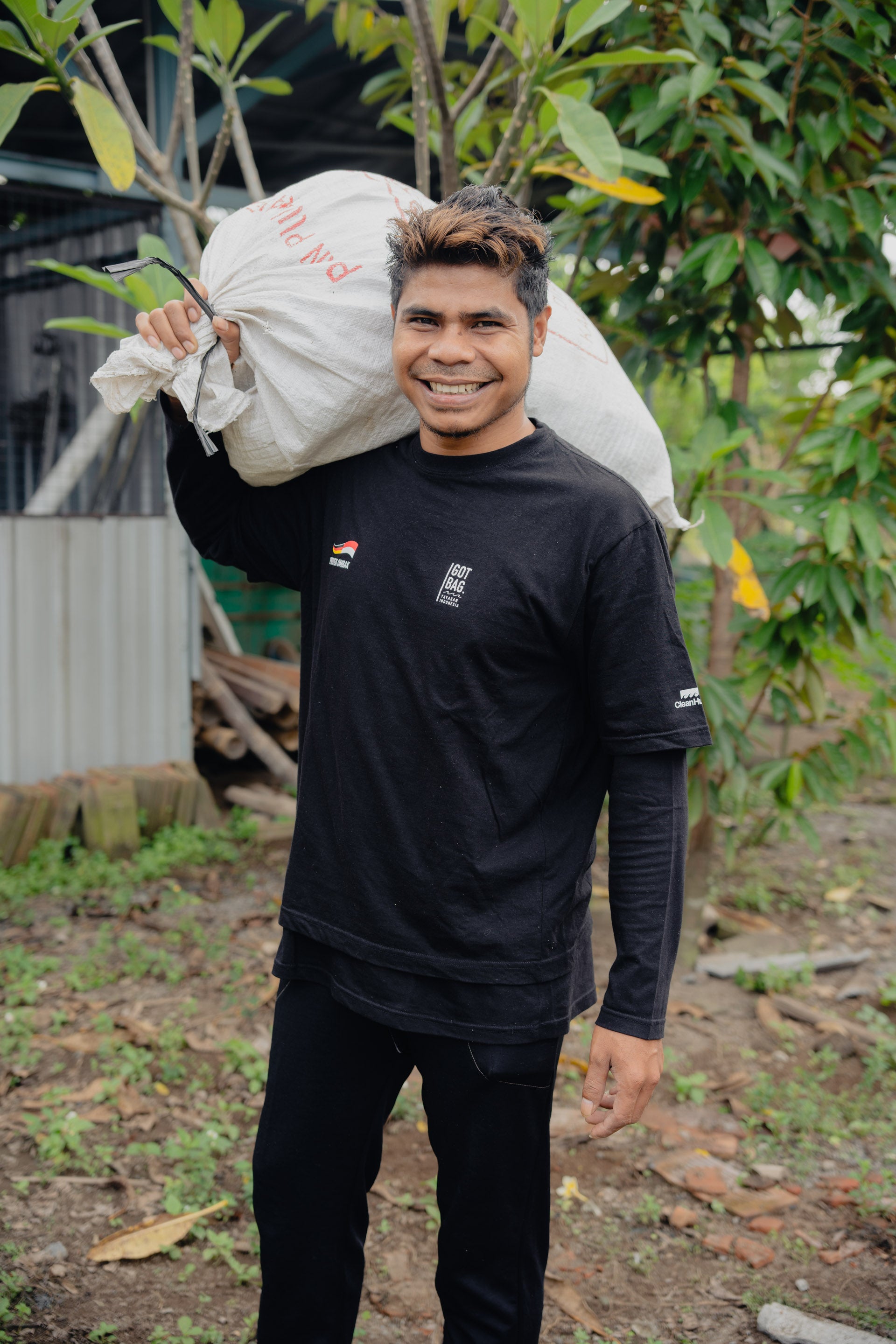
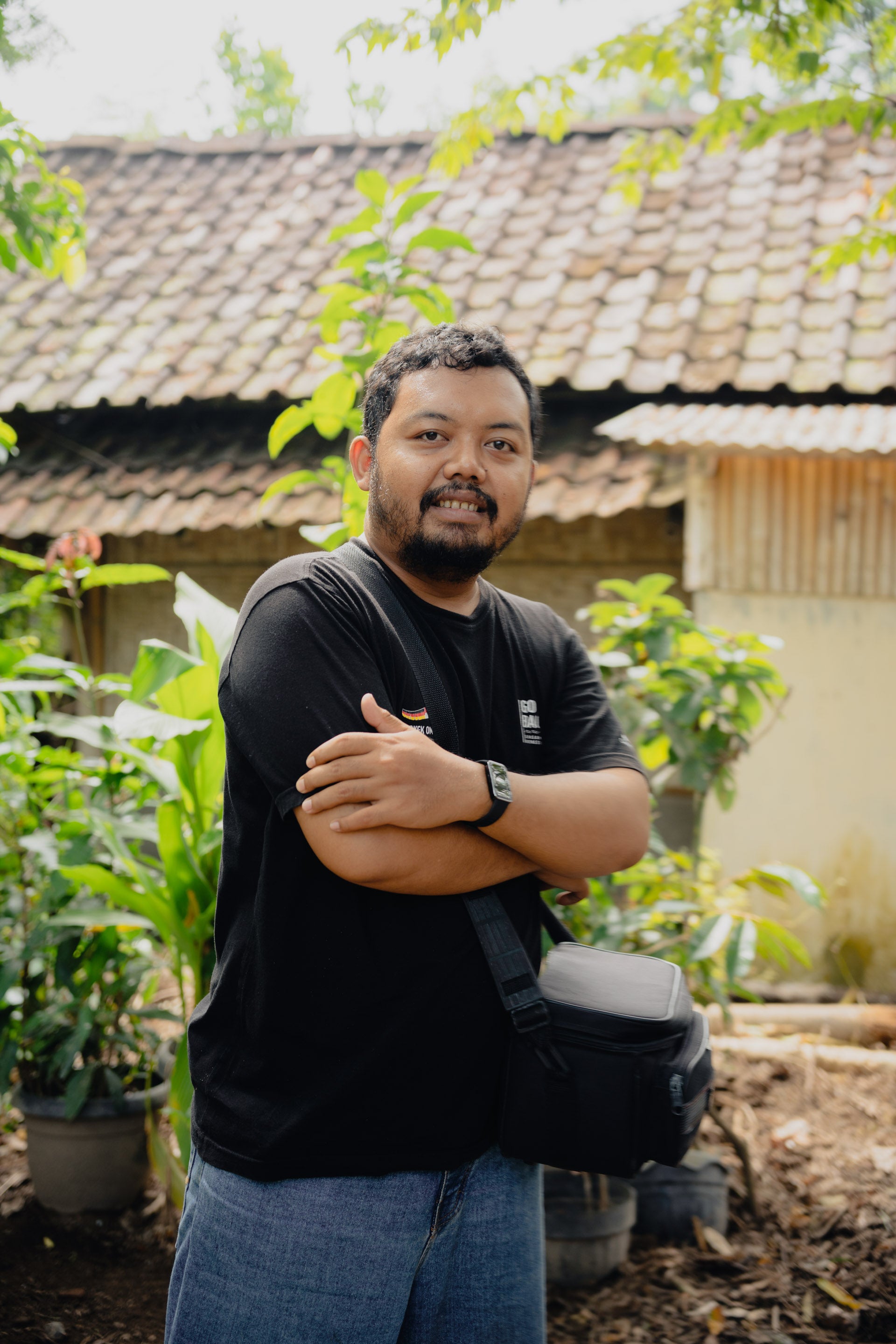
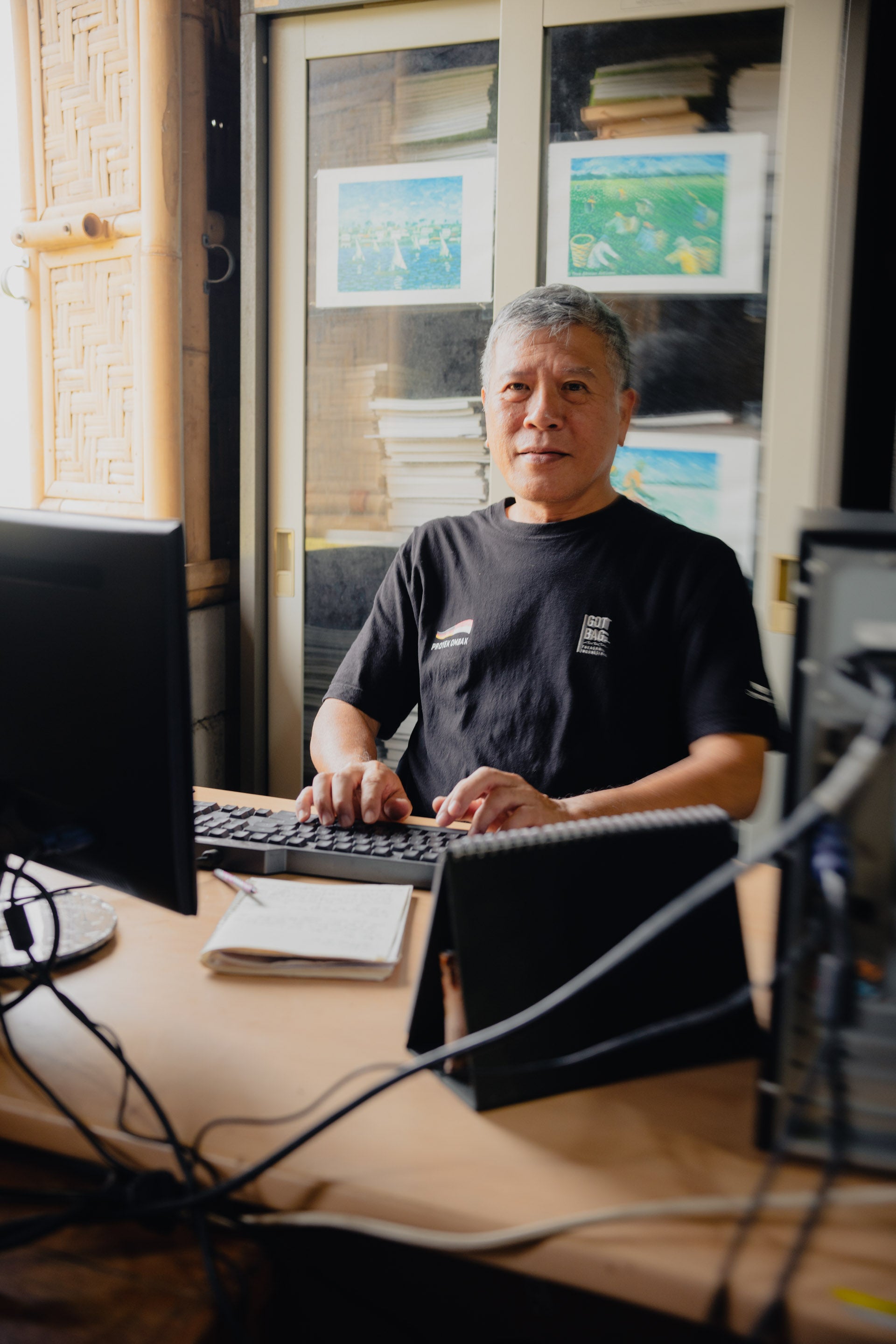
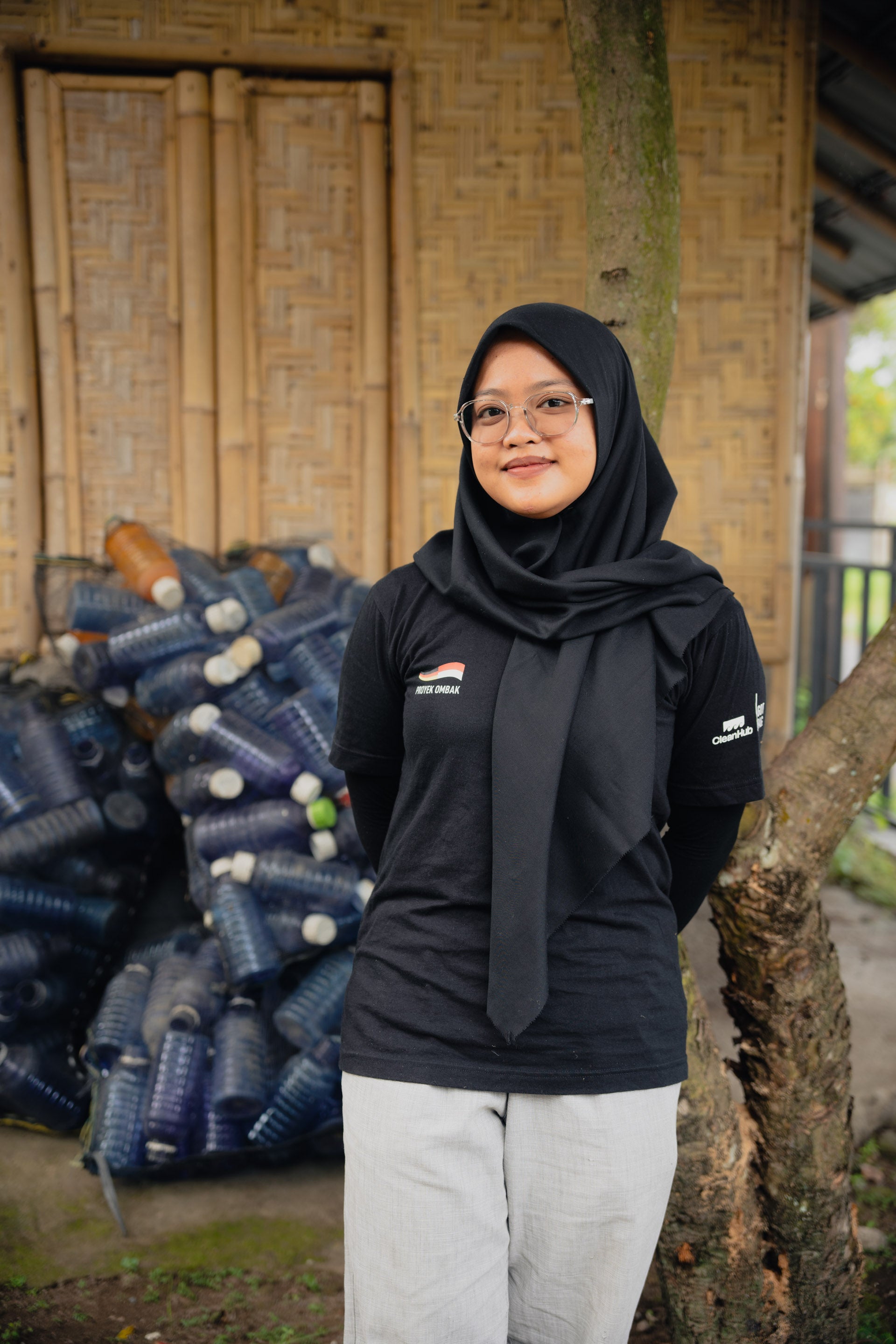
Our colleagues

Billy

Executive Director

Aen

Education Officer

Siti

Accountant

Basuki

Warehouse Manager

Jacob

Community Development

Adit

Field Manager

Willem

Founder

Talitha

Education Officer

Angga

Community Development

Suyono

Community Development

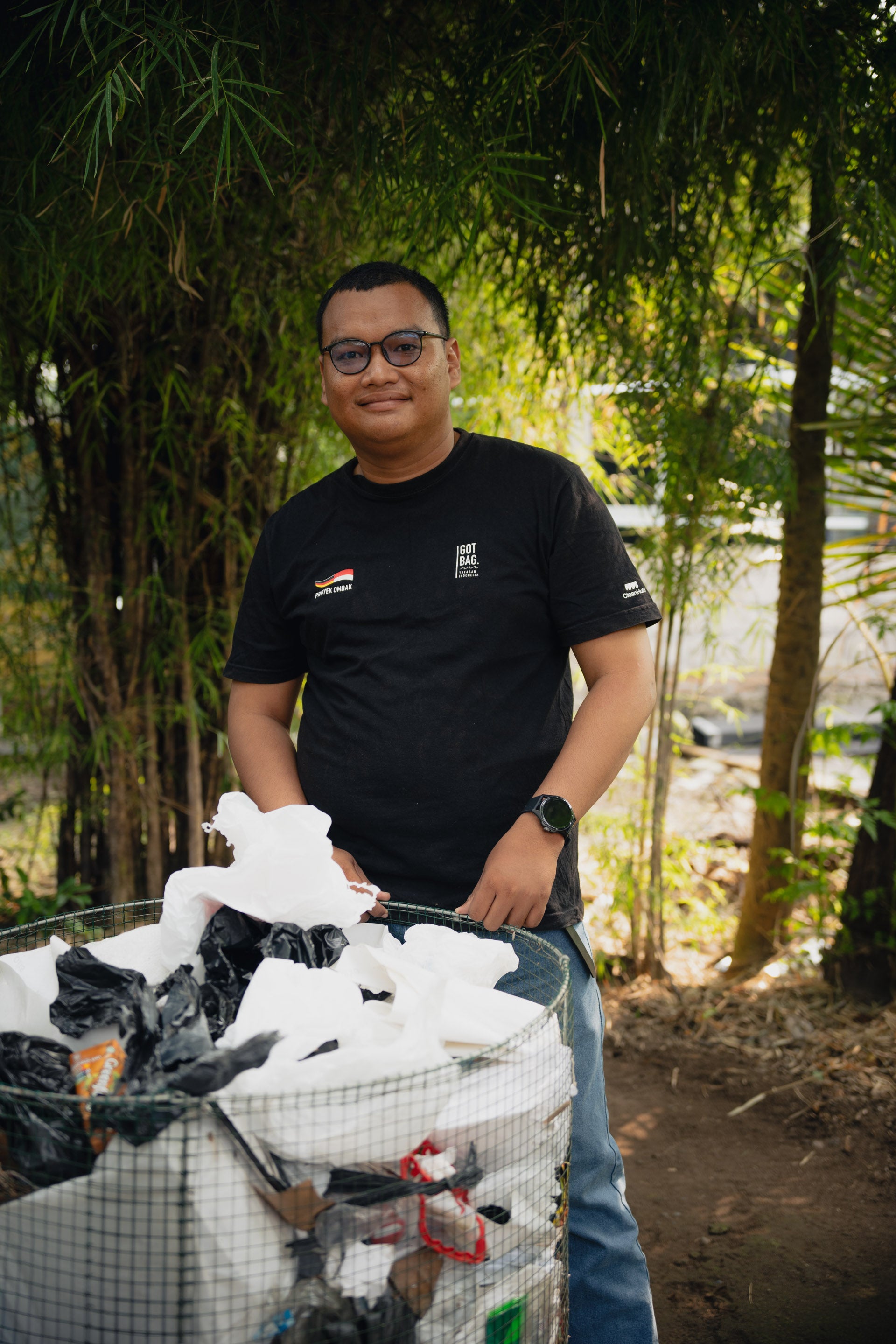
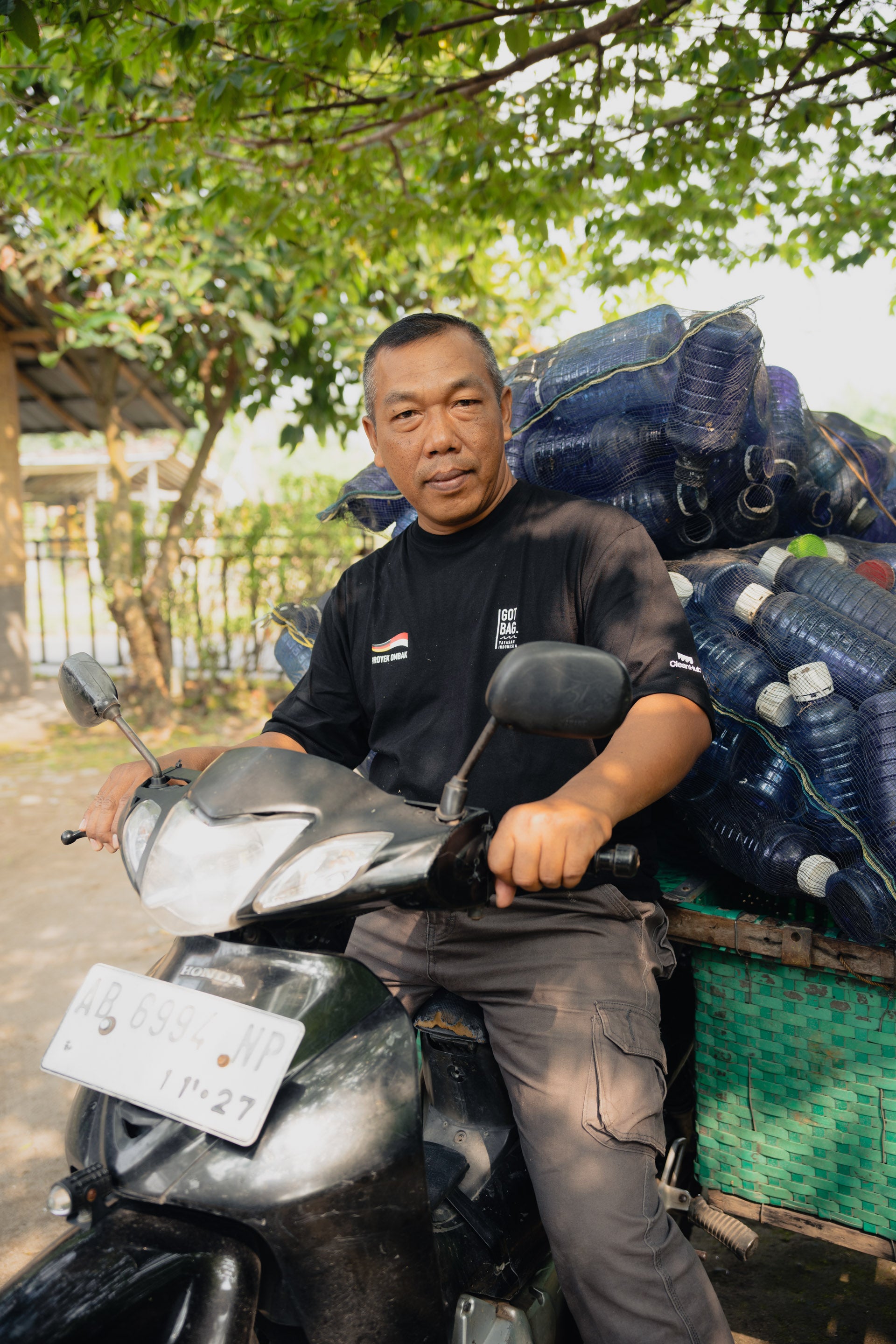
Since the start of the program in Indonesia, the local team has been at the center of the clean-up activities.

WHAT GOT BAG INDONESIA DOES

Collecting plastic - Environment

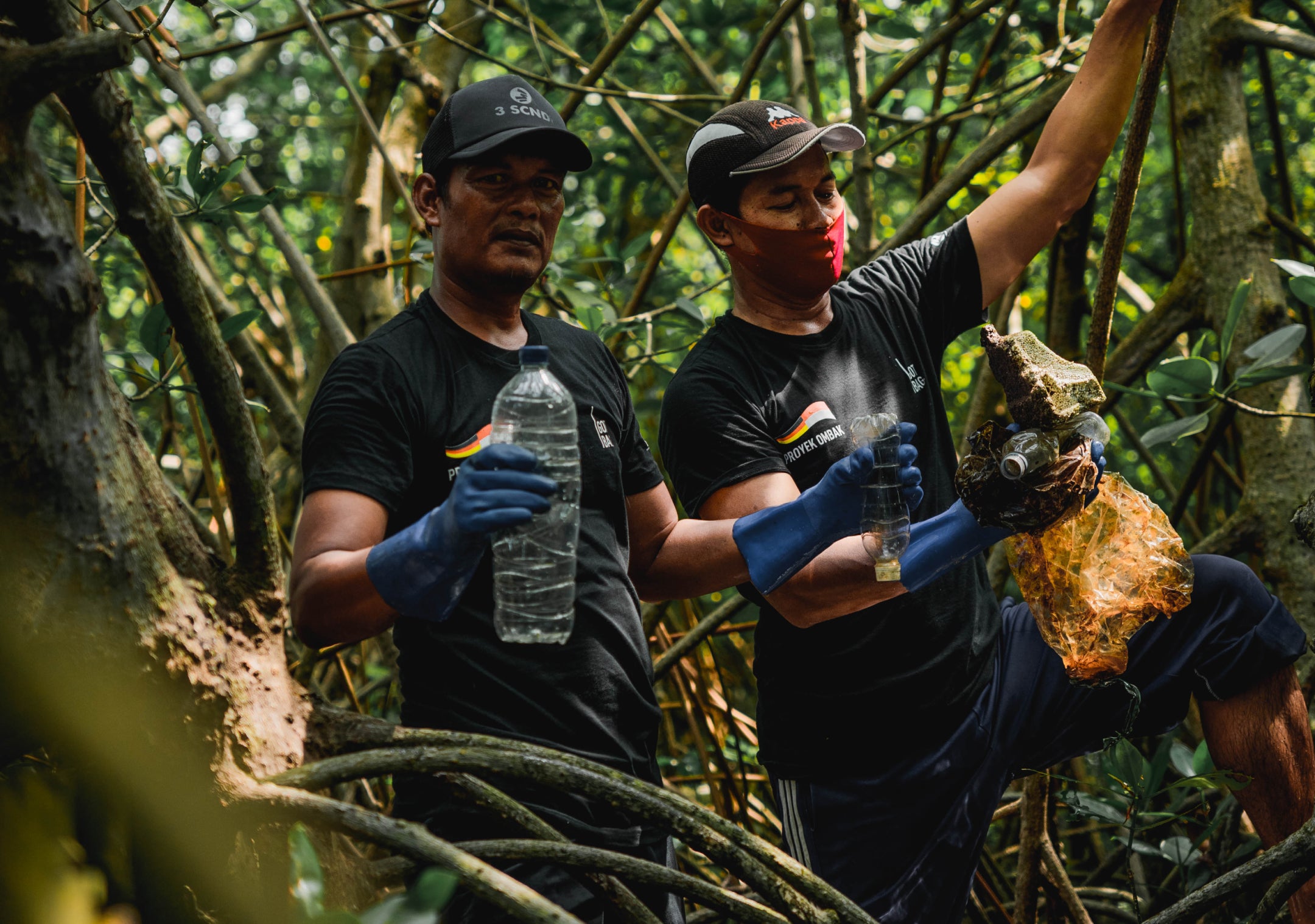
Two men collect trash in a mangrove forest, wearing gloves and hats as accessories.

Collecting plastic waste from the environment

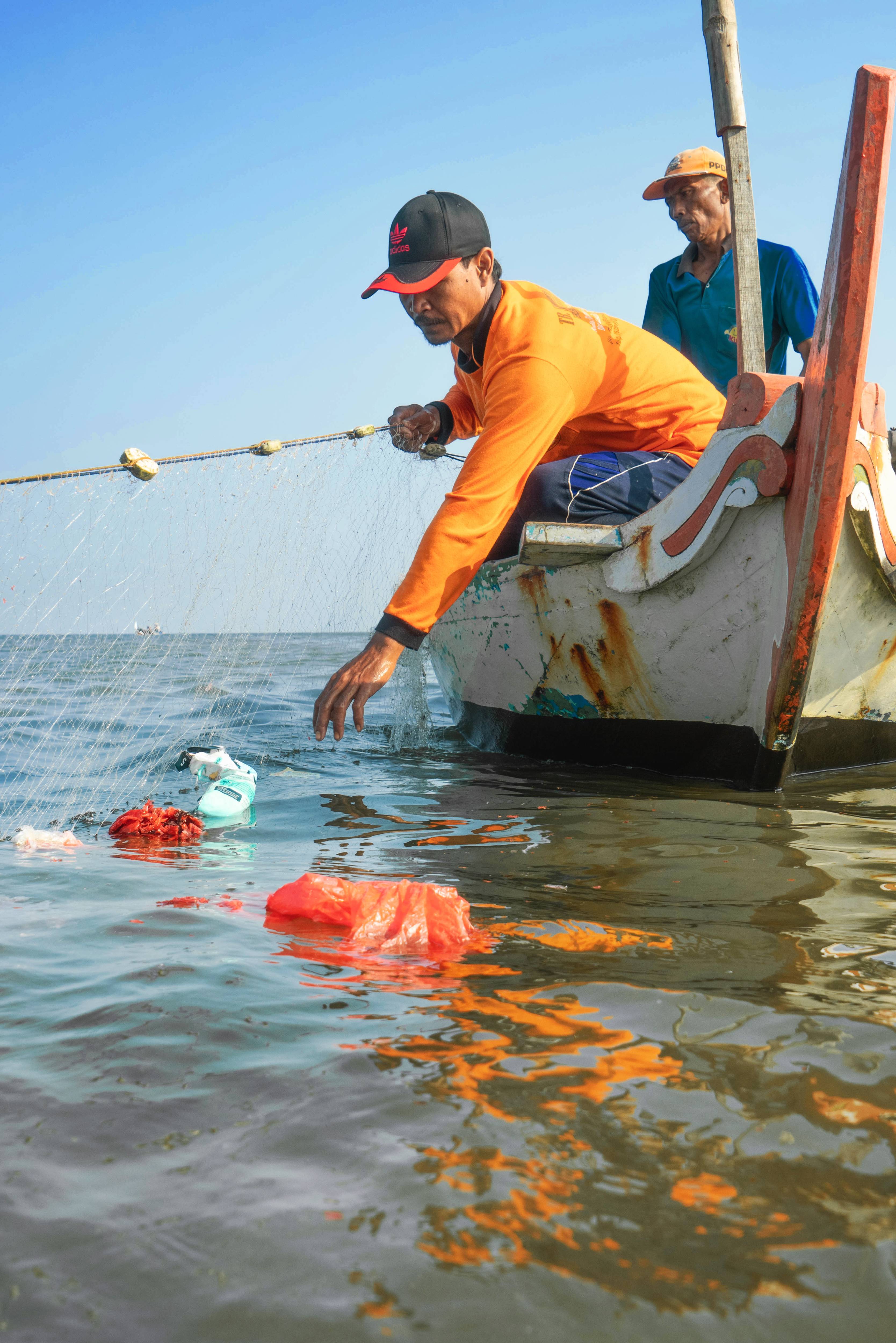
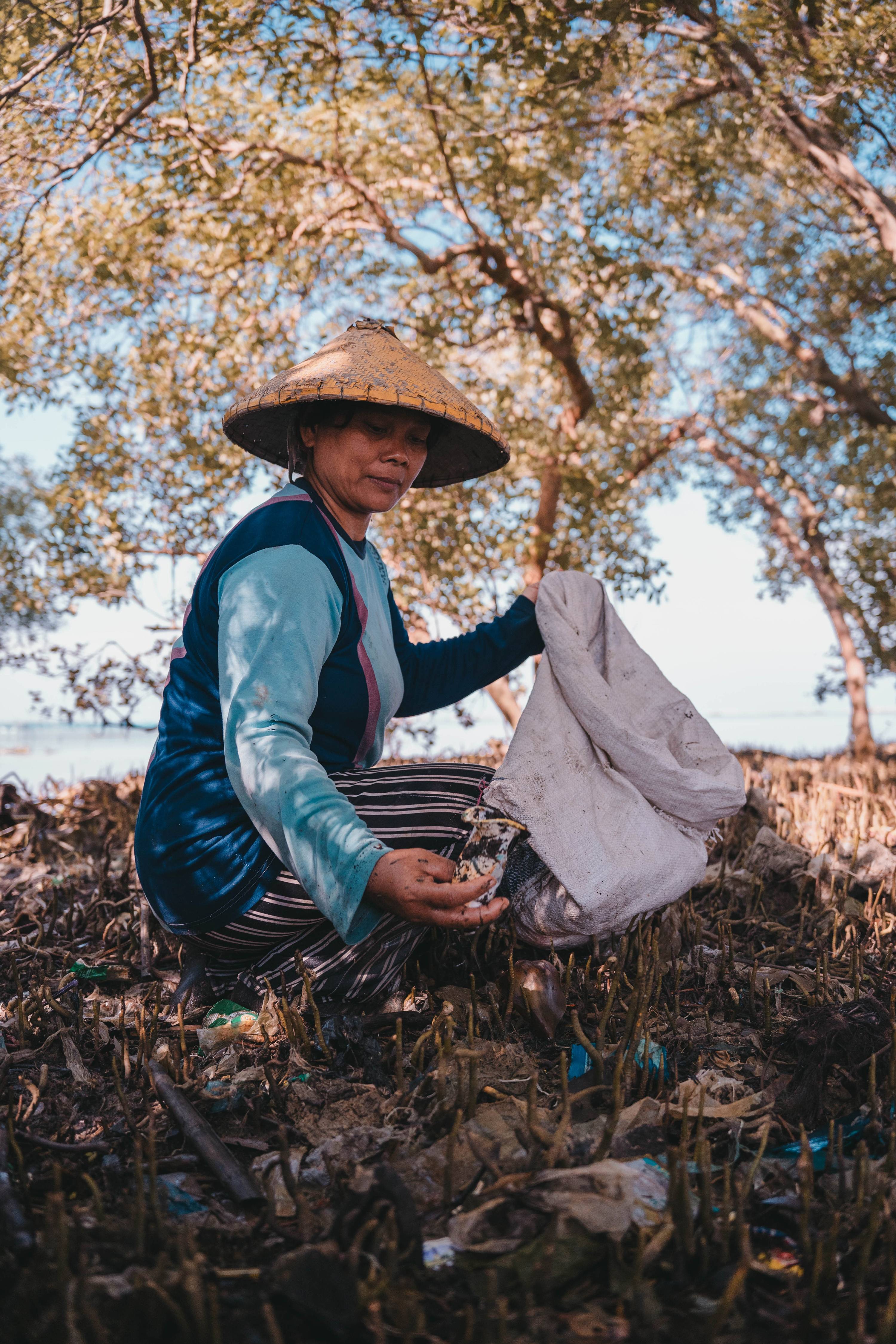
  • including beaches, riverbanks, mangrove forests and the ocean with local fishers and other participants who earn an additional income as a result
  • by organizing clean-up events with volunteers on beaches or riverbanks
  • without distinguishing between the types of plastic – participants collect every piece of plastic that could harm nature

Collecting plastic - households

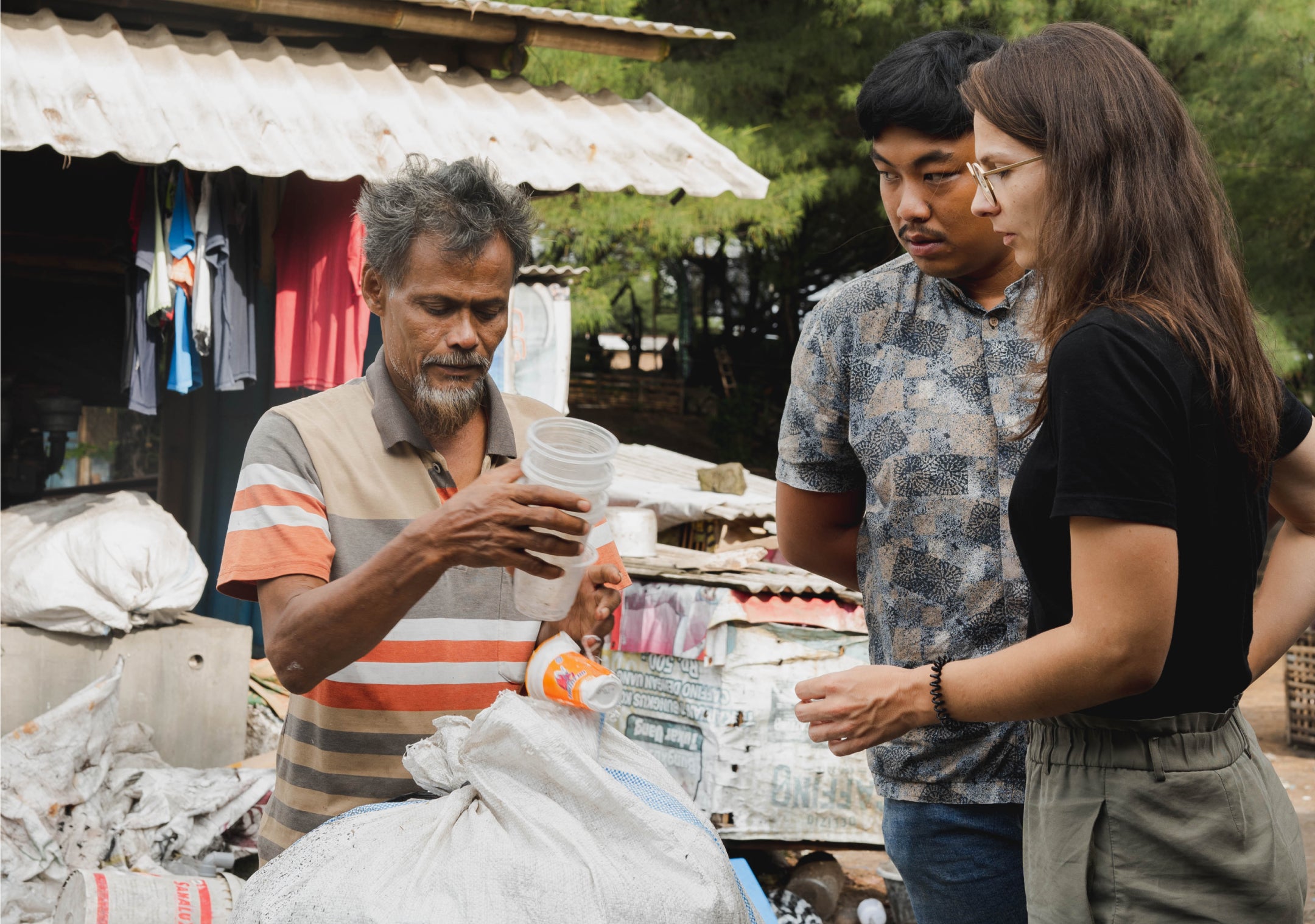
A bearded man holds plastic cups over a bag, observed by a man and a woman, in the accessoires area.

Establishing and supporting waste management structures in communities for household waste

… by setting up collection points where no other disposal systems exist, so that locals can drop off their plastic waste.

Tracking of collection quantities

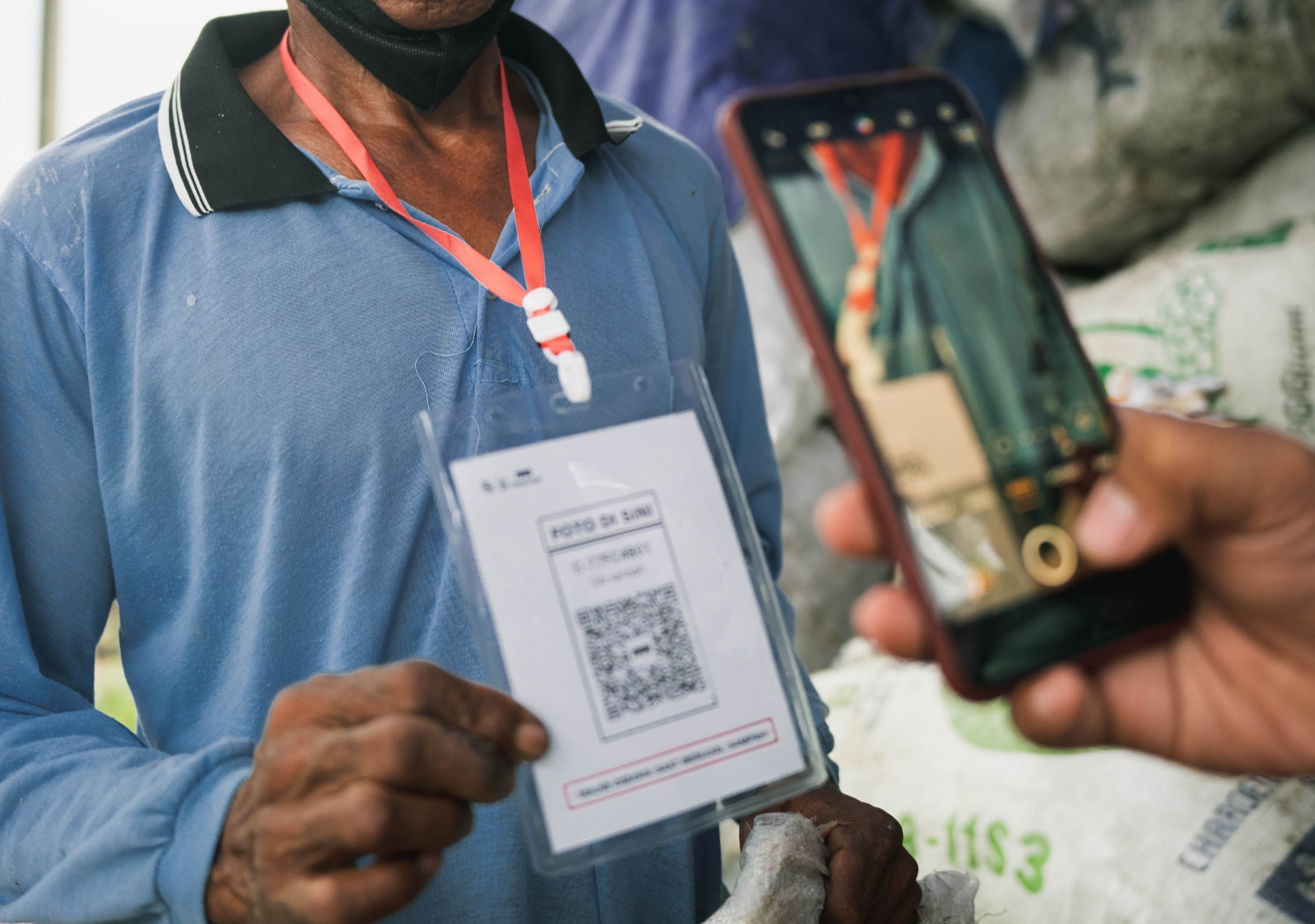
SAULEN SECTION accessories, a man holds a QR code document being photographed with a smartphone.

Partnership with CleanHub from Berlin: They offer tracking solutions for the collection of plastic waste and find partners who want to support projects like this to compensate for the amount of their plastic consumption.

How it works:

  • Participants bring plastic waste to the collection point
  • The material is weighed
  • The community lead scans the collector ID to enter the information for the app: Name of the collector, date of delivery, quantity and type of plastic waste, origin and delivery location of the collection

Sorteren, persen en opslaan voor recycling

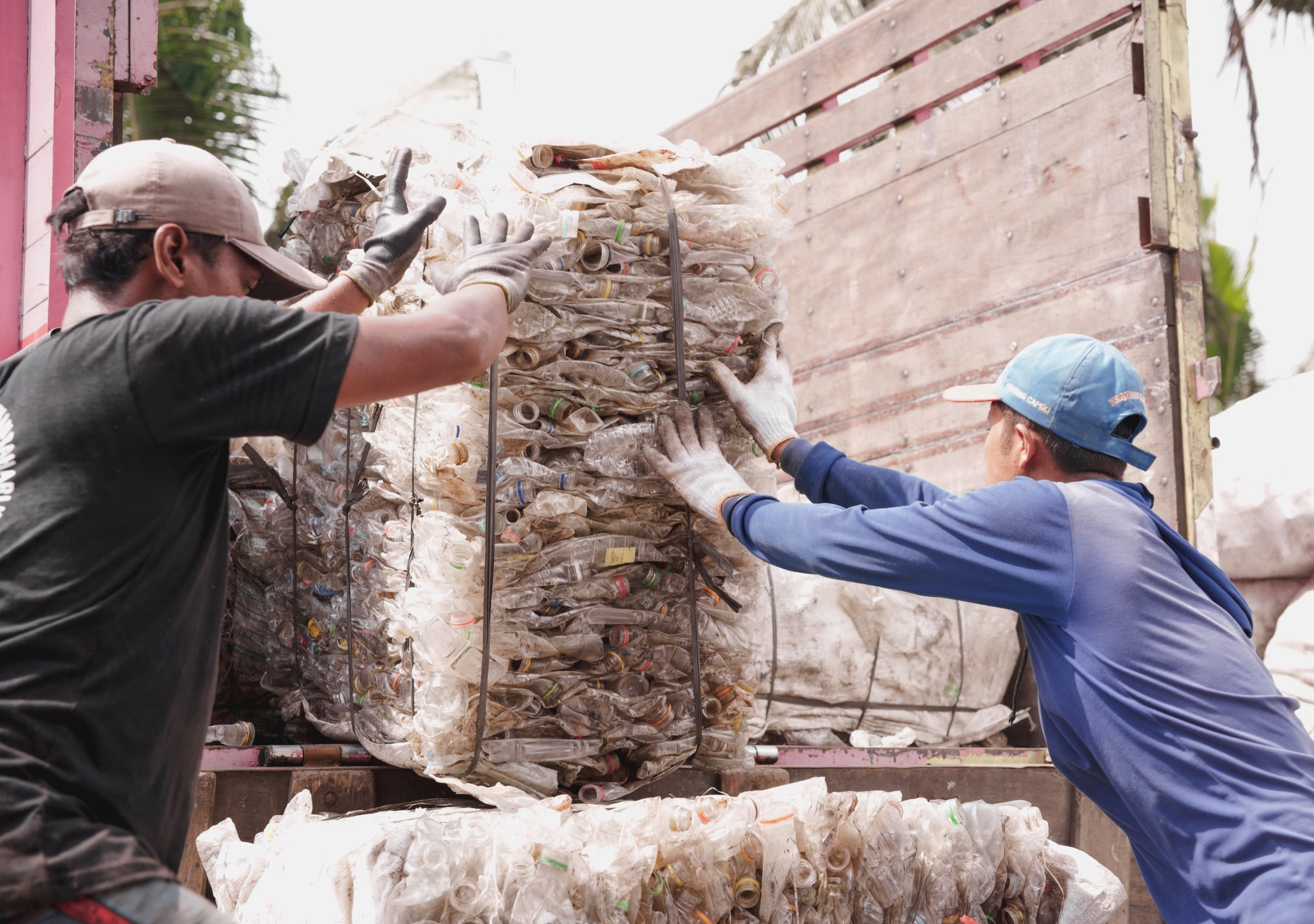
Accessories, depicted by two men loading bales of plastic bottles.

The 3,000-square-meter warehouse in Jepara is located in the area of the collection communities. The plastic waste is brought here for further processing.

Sorting: by plastic type, color and quality

Processing: Removal of caps and labels

Pressing: After sorting, the plastic is pressed into cubes to reduce the volume

Recycling: Ready for transport to our recycling partners

Awareness and Education

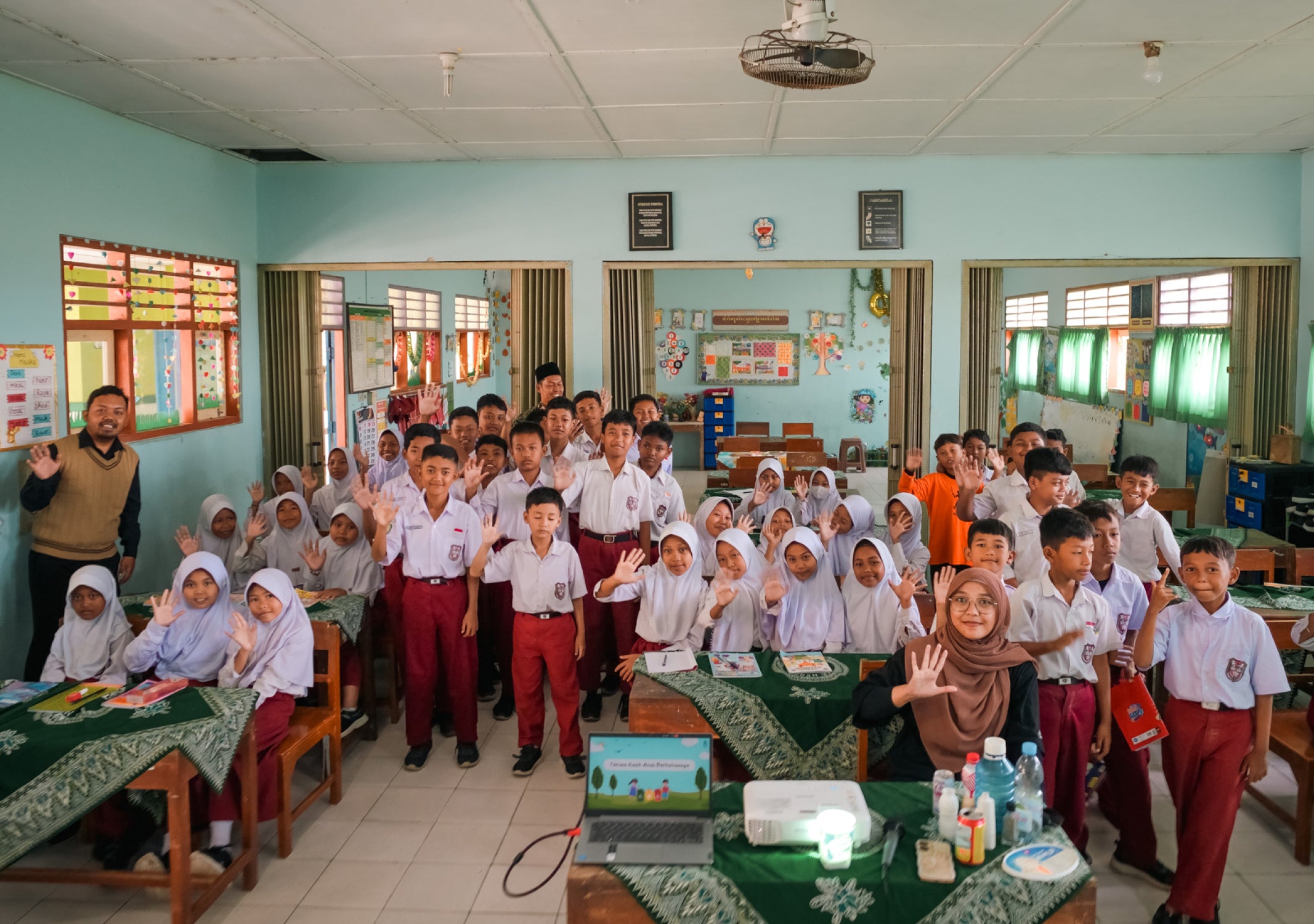
Accessories, a classroom scene with waving adults and students.

The employees and community leads are important multipliers for their communities and raise awareness among the local population. Clean-up events attract attention and motivate the locals. GOT BAG Indonesia’s Education Manager Aen teaches children in two schools about the environment. The foundation offers further training for the community leads, such as financial training and gender training, in which gender roles are discussed.

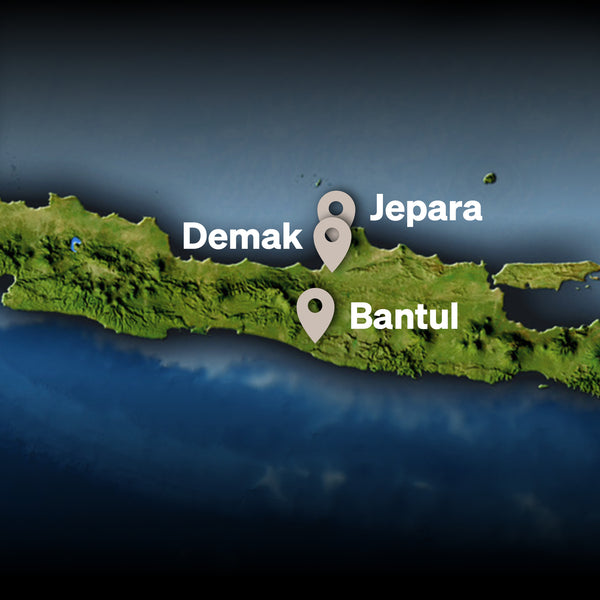
CLEAN-UP LOCATIONS

GOT BAG Indonesia is active in 19 communities in three different regions. The sorting and processing of the collected material takes place in the two warehouses in Jepara and Bantul.

OIP Accessoires, a man in an orange shirt in a boat pulls a fishing net with trash from the blue water.
A straw hat as an accessory is worn by a woman collecting trash on a beach with mangrove roots.
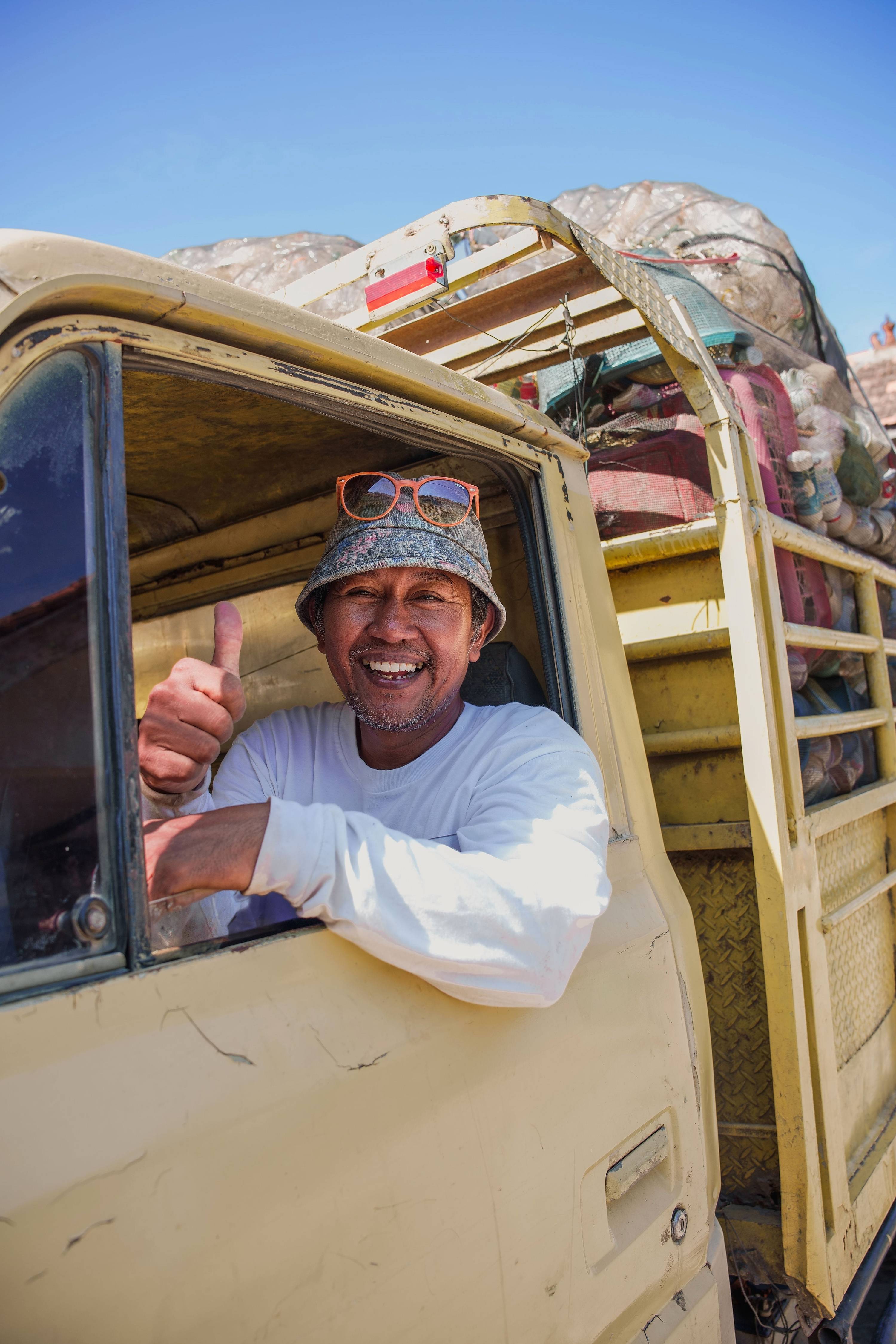
OIP Accessory: Man smiles and gives thumbs up from yellow truck.

O C E A N I M P A C T P L A S T I C

Ocean Impact Plastic refers to collected plastic waste that has already had a negative impact on the oceans or would most likely have had.

Plastic waste that was floating in the ocean
Plastic waste collected in coastal areas or in communities without functioning waste disposal or recycling facilities and which would otherwise ultimately have ended up in the ocean


Learn more in this article: What is Ocean Impact Plastic?

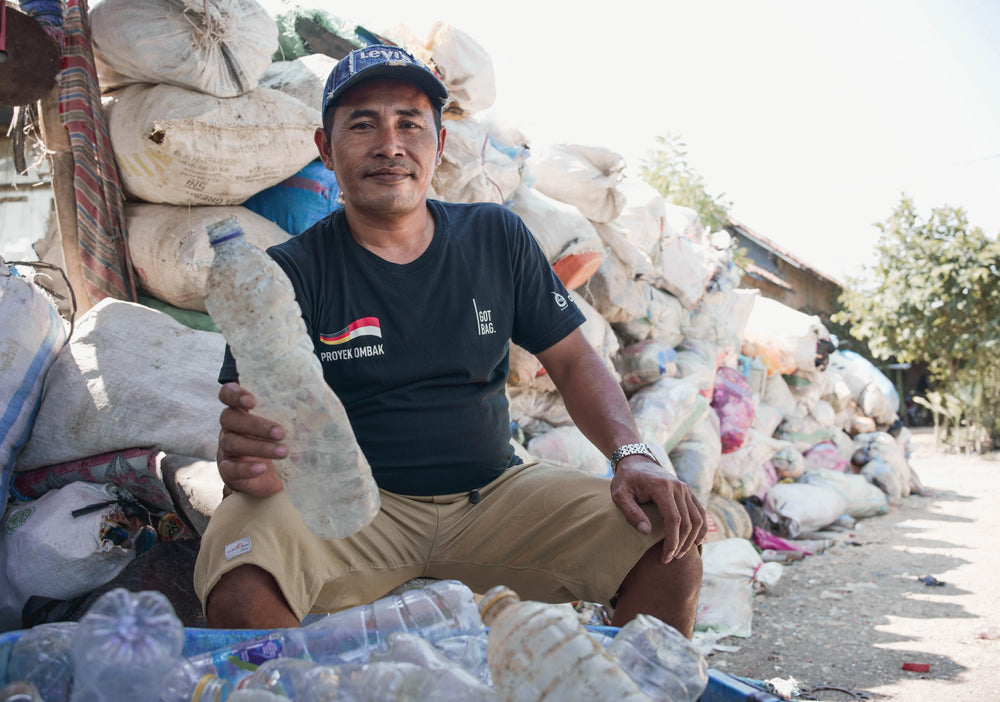
Man with cap and t-shirt sits among garbage bags and plastic bottles, holding a dirty bottle. Accessories scene.

Due to the increasing demand from customers for more sustainable consumption options, PET has become a popular material. It is easy to recycle and can be used for many products. Through the GOT BAG Indonesia clean-up program, Ocean Impact Plastic is collected and the PET portion is fed into yarn production for most of our durable bags, together with the Ocean Bound Plastic certified PET pellets from our partner.

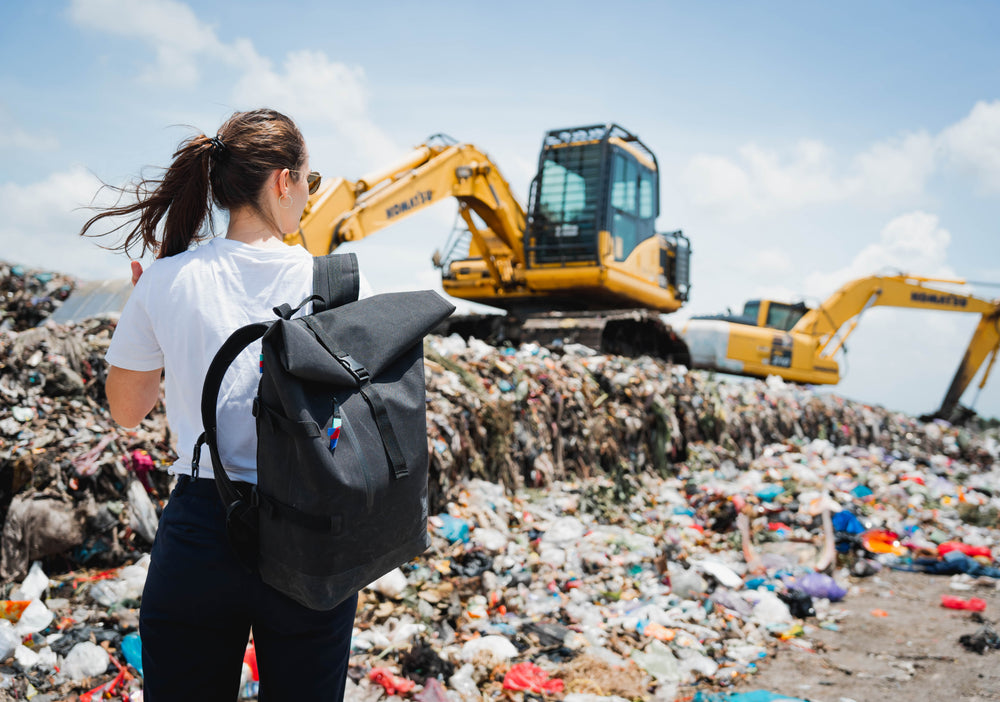
Woman with a backpack stands in front of a landfill with excavators.

It is great that recycling is increasing in general and we are pleased that more and more companies are viewing waste as valuable, just as we have been doing since 2018. What we are not pleased about: Wasted resources that end up in nature or remain buried forever in landfills because it is not profitable to recycle them more effectively.

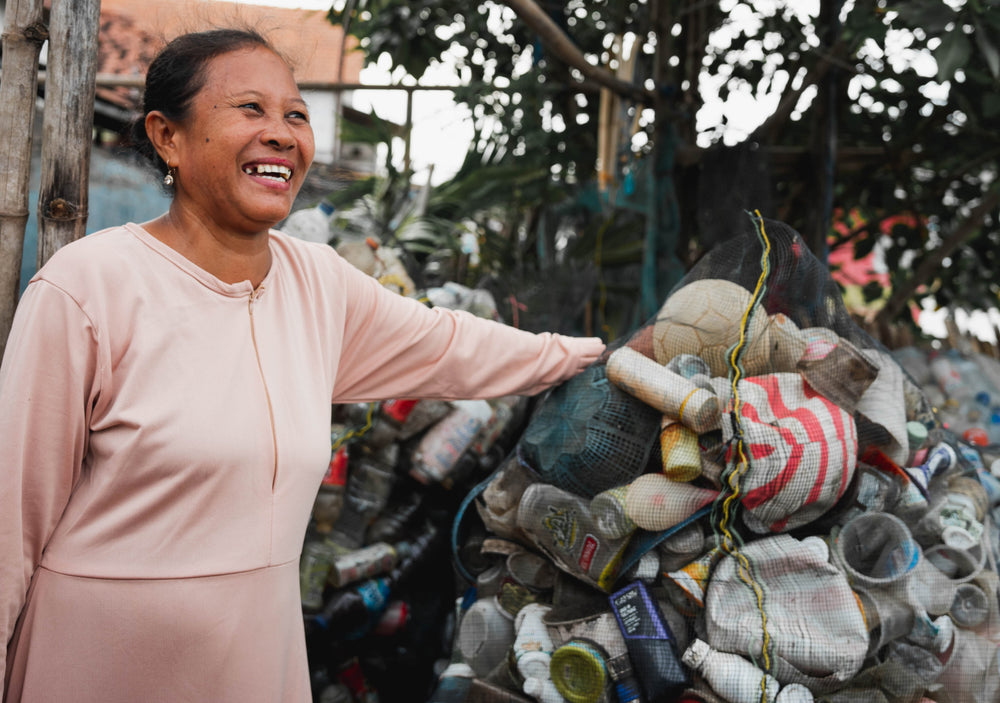
Accessories shows a smiling woman in front of a pile of collected plastic waste, her hand resting on the trash.

That is why the clean-up program by GOT BAG Indonesia collects every type of plastic waste, not just the valuable ones. We are embarking on the challenging journey to find the best possible and feasible solutions for every type of plastic waste collected.

From Trash

to Treasure

THE JOURNEY OF A ROLLTOP

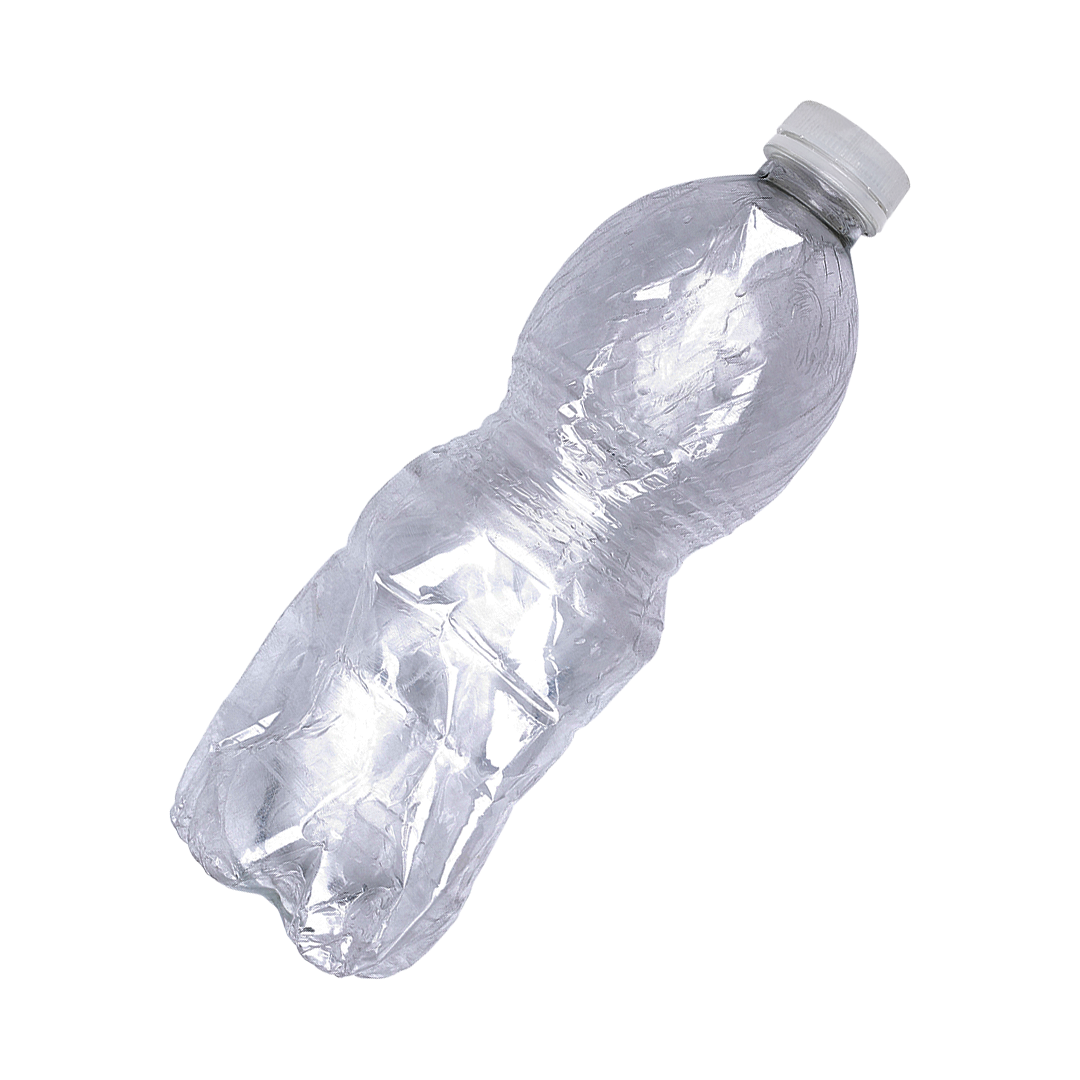
Crumpled plastic bottle as accessory with white screw cap on white background.

01

The GOT BAG Indonesia foundation operates a clean-up program that collects Ocean Impact Plastic from coastal areas, rivers and the sea.

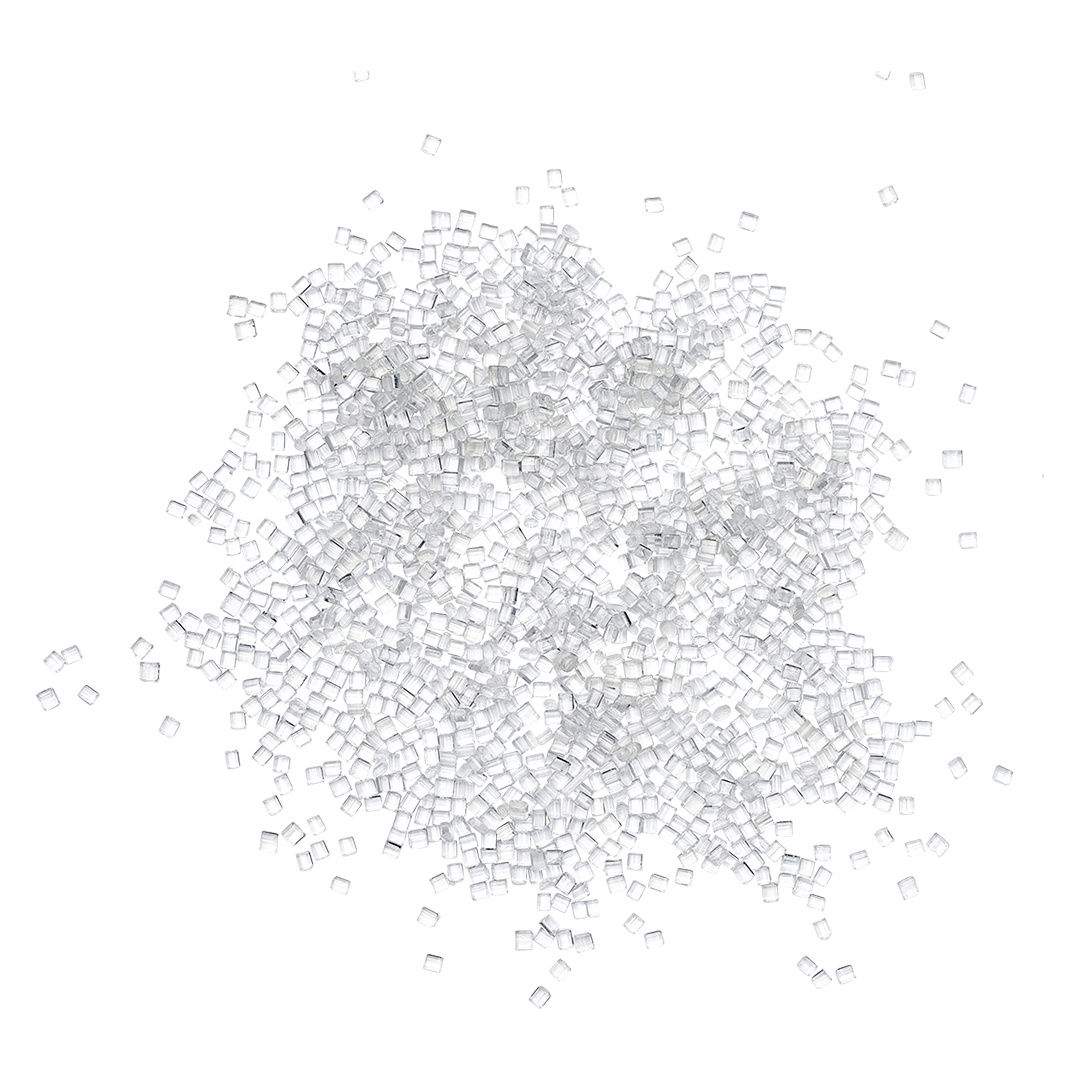
PELLETS accessories as top-down view, showing a pile of clear, square plastic granules.

02

The PET portion is sorted and processed into pellets. All other mechanically recyclable types of plastic are directed to the most suitable recycling solutions possible. Non-recyclable plastic is passed on for energy recovery.

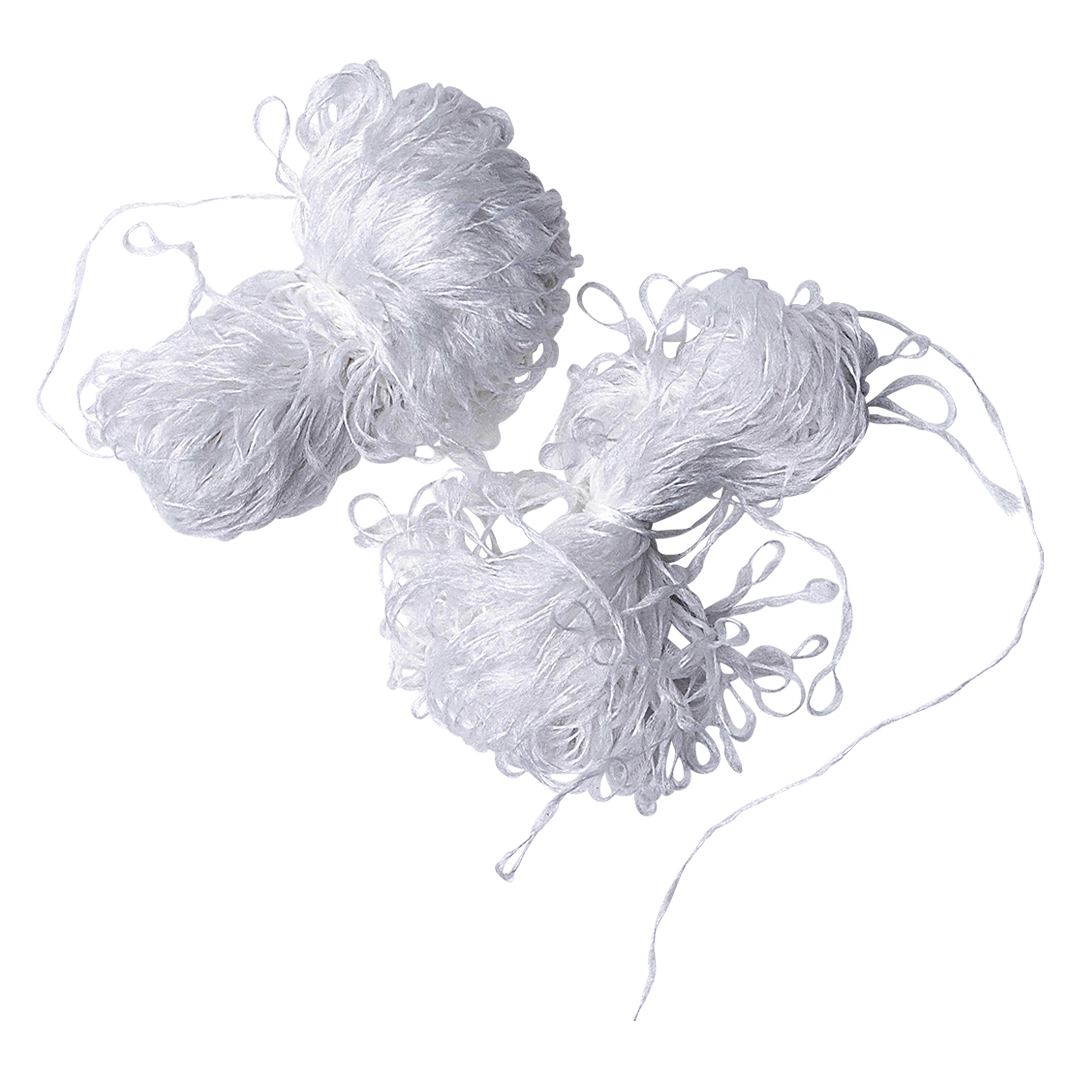
YARN accessories: four fluffy bundles of yarn with loose threads, detailed shot.

03

The pellets from the clean-up program flow together with pellets from our Ocean Bound Plastic certified recycling partner into yarn production. This results in a recycled polyester yarn, which is the basis for the RE:PET main material of most GOT BAG products.

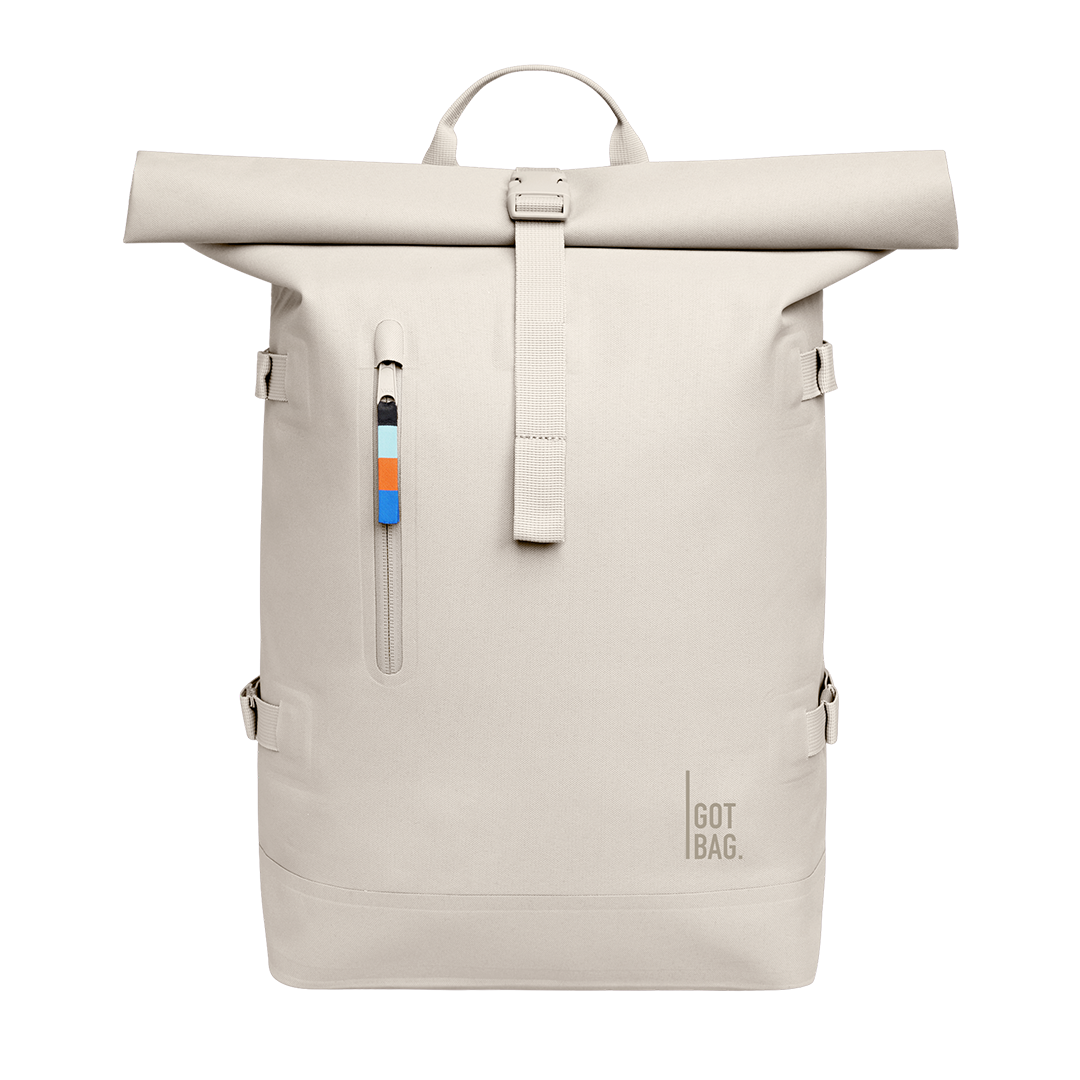
Rolltop backpack as studio shot in front view.

04

The finished products are transported to Europe and the USA by ship and then sent to GOT BAG customers.

FIND OUT MORE ABOUT OUR SUPPLY CHAIN, NEWS ON PRODUCTS, PROGRESS AND FAILURES ON GOT STORIES:

1 World Economic Forum, The New Plastics Economy: Rethinking the Future of Plastics (2016).
2 Geyer, R., Jambeck, J. R., & Law, K. L. (2017). Production, use, and fate of all plastics ever made. Science Advances, 3(7), e1700782.