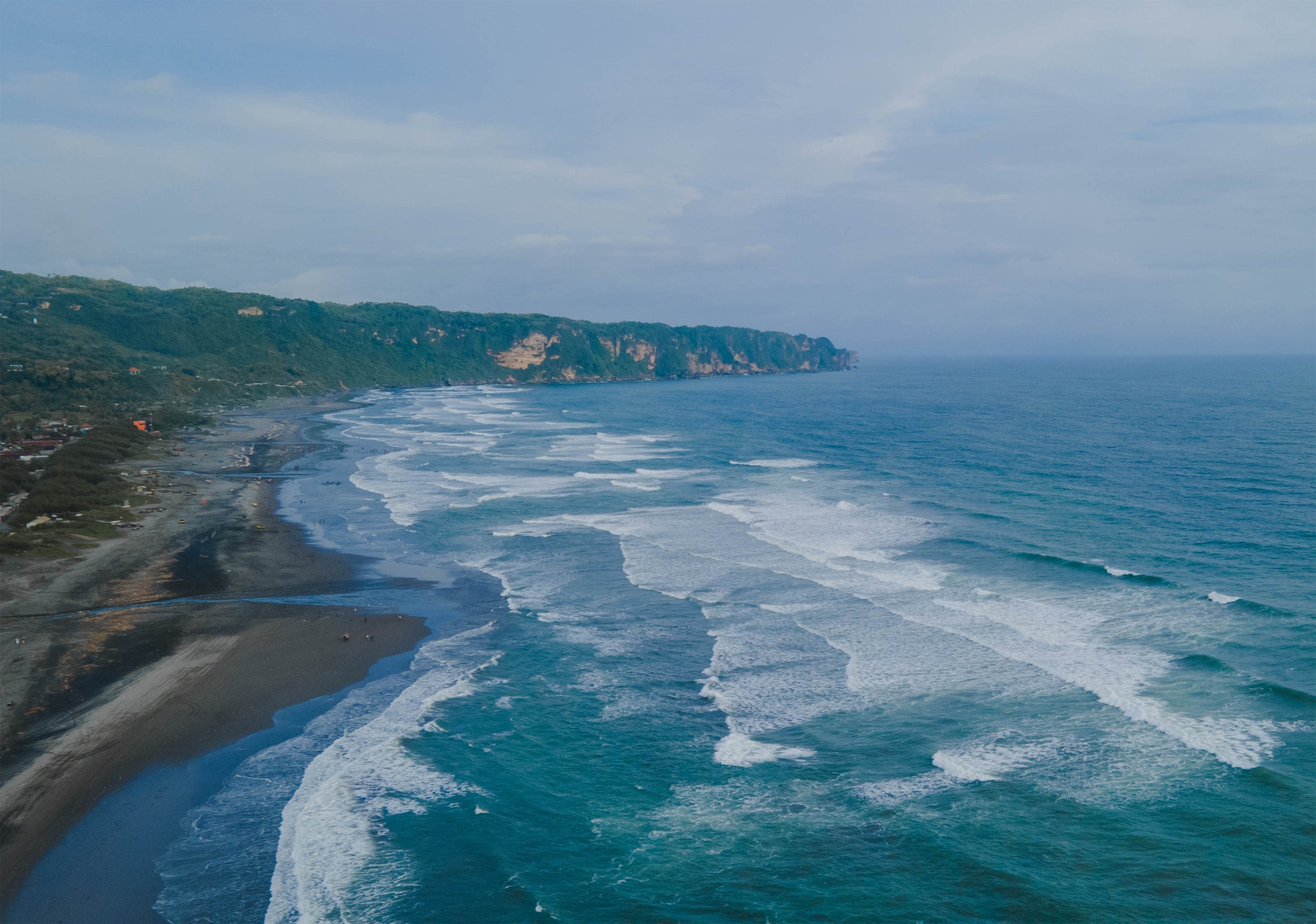
The first grantee we support with our Care Collective Fund is Community Based Environmental Conservation (COBEC) in Kenya. Their project is a community-led mangrove restoration and climate resilience initiative in Mida Creek, Kenya, working with women, youth, local conservation groups, and partners to restore degraded mangrove ecosystems.
In the interview, Edward S. Mwamuye: Programme Manager at COBEC, explains their project and what COBEC is planning to do with the support from the Care Collective Fund.

Community members restoring mangrove habitat in Mida Creek, Kenya.
Why did you start this project?
Edward S. Mwamuye: We started this project because Mida Creek’s mangrove ecosystem is under increasing pressure from climate change impacts, illegal cutting, poor natural regeneration, sedimentation, and dependence on natural resources by surrounding communities. When mangroves decline, local people lose more than trees: they lose fish breeding habitats, shoreline protection, biodiversity, carbon storage, and a natural safety net against climate shocks.
For COBEC, mangrove restoration is not just an environmental activity; it is also about community resilience, dignity, and local ownership. Women, youth, fishers, and vulnerable households are among the people most affected when coastal ecosystems are degraded, yet they are also some of the strongest guardians of these ecosystems when given skills, resources, and opportunities.
This project was started to bring communities to the center of restoration, turning degraded areas into living examples of recovery and hope.
What exactly do you do on the ground, and what does a typical working day look like for you?
Edward S. Mwamuye: On the ground, we mobilize community members, identify degraded mangrove sites, establish and manage nurseries, produce seedlings, plant mangroves, monitor survival, and maintain restored areas. Our work follows Community-Based Ecological Mangrove Restoration principles, meaning we do not only plant seedlings; we also look at site suitability, hydrology, natural regeneration, threats, and long-term protection.
The project aims to raise and plant 20,000 mangrove seedlings and restore 5 hectares of degraded mangrove habitat in Mida Creek.
A typical working day may begin with the COBEC team meeting community members at the restoration site or nursery. Together, we check seedlings, prepare planting areas, collect field data, mark restoration plots, discuss tidal conditions, and guide women and youth groups on proper planting and site care.
Some days are focused on training, while others are spent in the field measuring progress, taking GPS points, photographing evidence, or engaging local leaders, Beach Management Units, Community Forest Associations and government partners.
The work is practical, muddy, and community-driven, but it is also deeply rewarding because every seedling planted represents a shared commitment to the future.
What has been your biggest challenge so far, and what have you learned from it?
Edward S. Mwamuye: One of our biggest challenges has been ensuring that restoration is truly ecological and not just ceremonial. In many places, mangrove restoration is judged by the number of seedlings planted, but planting alone does not guarantee recovery.
Seedlings can fail when hydrology is blocked, species are poorly matched to the site, or post-planting maintenance is weak. COBEC’s Strategic Plan recognizes this clearly: planting numbers alone do not prove restoration; hydrology, site suitability, natural regeneration, survival, and long-term management must guide investment.
It is important to listen to local knowledge, assess the site carefully, involve community institutions, and continue monitoring after planting.
We have also learned that women and youth are not just beneficiaries; they are leaders, field experts, monitors, and long-term custodians of restored areas.
What does the support from the Care Collective Fund mean specifically for your project?
Edward S. Mwamuye: The Care Collective Fund support means that COBEC can move from vision to direct field action in Mida Creek. Concretely, the grant will help us establish and maintain community nurseries, produce and plant 20,000 mangrove seedlings, train women and youth, conduct monitoring, and protect restored sites over the project period.
It also gives recognition to local people who are already caring for the coast, often with limited resources. For the community, this support means practical tools, training, field coordination, and motivation to continue protecting their mangrove ecosystem. For COBEC, it strengthens our ability to demonstrate measurable impact, including restored hectares, seedling survival, community participation, biodiversity recovery, and climate resilience outcomes.
The support also helps us document the project as a case study that can inspire similar restoration efforts in other coastal areas.
What do you hope to achieve over the next 12 months?
Edward S. Mwamuye: Over the next 12 months, we hope to restore 5 hectares of degraded mangrove habitat in Mida Creek, plant and care for 20,000 mangrove seedlings, and achieve at least 80% seedling survival. We also aim to train 100 women, youth, and community members in mangrove restoration, climate resilience, nursery management, and ecological monitoring.
Beyond the numbers, we hope to see stronger community ownership, improved awareness of the value of mangroves, better protection of restored areas, and increased participation of women and youth in conservation leadership.
By the end of the project, the restored site should show visible signs of recovery, including improved seedling survival, natural regeneration, strengthened shoreline protection, and renewed habitat for fish and biodiversity. Most importantly, we want this project to become a living case study of successful community-led mangrove restoration, showing that when local people are trusted, equipped, and supported, they can restore ecosystems and build resilience for generations.